Last updated: October 3, 2026.
The short answer for skimmers: buy the Ororo Men’s Dual Control heated jacket if you want five heat zones, per-zone controls, and a battery in the box for about $190 to $220, and buy the Milwaukee M12 Toughshell if you already own M12 batteries or need a work-grade shell for harsh jobsites. The Milwaukee jacket alone costs $235 as of September 21, 2026, with no battery included. Ororo wins on zone count (five to three), and both jackets now offer dual-zone controls. Ororo backs its heating elements with a 3-year warranty versus Milwaukee’s 1 year. Milwaukee answers with a 12V platform, the M12 battery ecosystem, and the toughest shell in this comparison.
DIRECT-TO-CONSUMER VALUE, BEST WARRANTY
Ororo
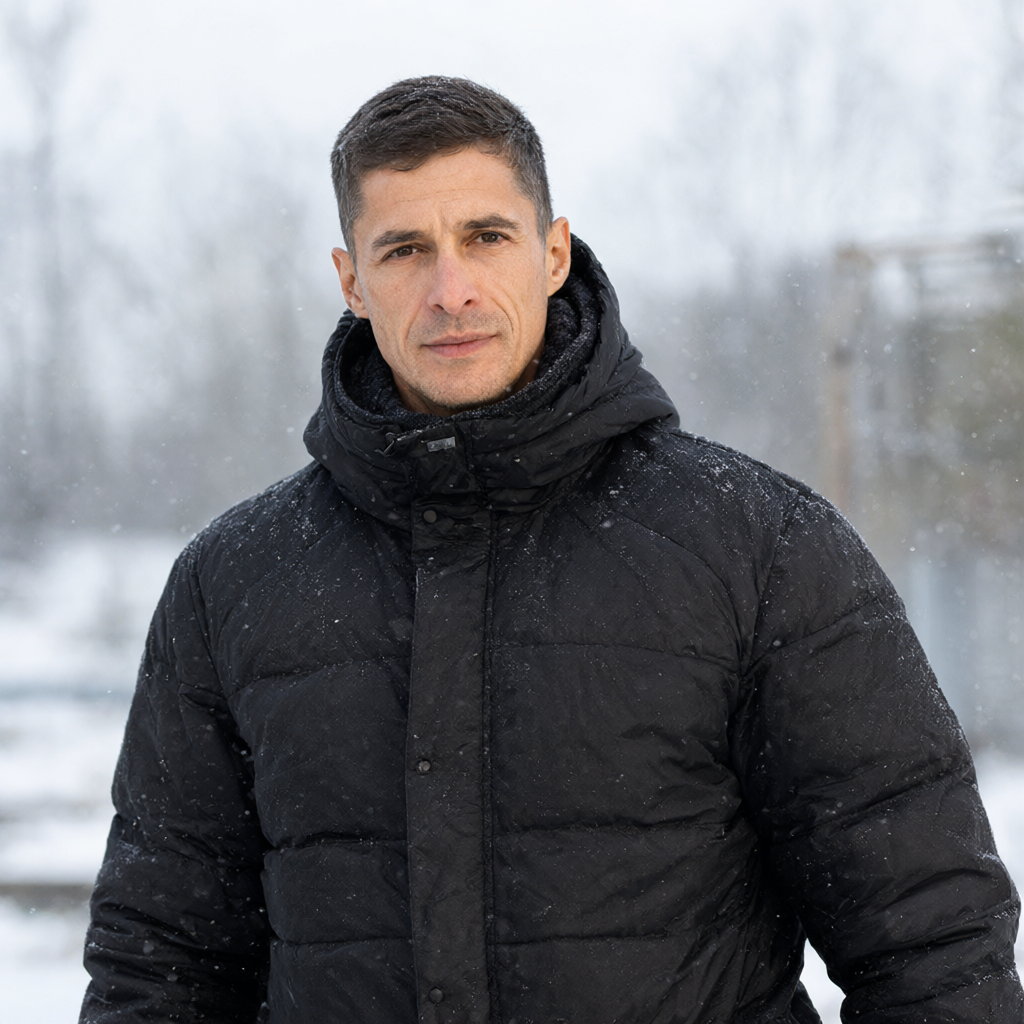
- Ororo built its name selling heated jackets directly to consumers online, and the Men's Dual Control is the current-generation flagship of that lineup: five heat zones, independent controls for arms versus core, and the battery in the box at a price that has sold between $190 and $220 on Amazon.
Heated Jacket Guide is reader-supported. When you buy through links on our site, we may earn an affiliate commission at no extra cost to you.
*Affiliate disclosure: Heated Jacket Guide is an Amazon Associate and earns from qualifying purchases. Prices below were checked on September 21, 2026 and move with the season.*
This is a research-based comparison. We did not test these ourselves. We compared manufacturer spec sheets, retailer listings, hands-on review writeups, and verified owner feedback for both jackets, and every spec below is cited to its source.
Quick Comparison Table
| Spec | Ororo Men’s Dual Control | Milwaukee M12 Toughshell |
|---|---|---|
| Price (Sept 21, 2026) | About $190 to $220 on Amazon, battery included | $235 jacket-only (reduced from $255), battery not included |
| Voltage | 7.4V | 12V M12 battery platform |
| Heating technology | Carbon fiber | Carbon nanotube, HEXON Heat Technology |
| Heat zones | 5 (left and right hand pockets, left and right arms, mid-back) | 3 (chest, back, pockets) |
| Zone controls | Dual: back and pockets, arms, or all 5 zones | Dual: chest and back, pockets |
| Battery | 7.4V 4800mAh / 35.4Wh (Amazon listing) | Works with all M12 packs, 3.0 in the kit |
| Claimed runtime | All 5 zones: 7 hrs low, 4 hrs med, 2 hrs high. Arms-only: up to 20 hrs low | 12 hrs low, 6 hrs med, 3 hrs high |
| Shell | Water-resistant 90% polyester, 10% spandex | 100% stretch polyester with DWR finish |
| Insulation | FELLEX synthetic insulation | 3X more insulation than previous generation |
| Phone charging | Yes, USB port on the battery | Via M12 TOP-OFF power source in the kit |
| Warranty | 3 years on heating elements, 1 year on battery | 1 year limited on the jacket |
| Buy | Check Ororo Dual Control price | Check Milwaukee Toughshell price |
If you are still deciding between jackets in general, start with our Best Heated Jackets of 2026 hub, which ranks every major option by real-world warmth and value.
Ororo: Direct-to-Consumer Value, Best Warranty
Ororo built its name selling heated jackets directly to consumers online, and the Men’s Dual Control is the current-generation flagship of that lineup: five heat zones, independent controls for arms versus core, and the battery in the box at a price that has sold between $190 and $220 on Amazon.
The five-zone layout is what you notice first. Alongside mid-back coverage and heated hand pockets, Ororo adds heated arms, a zone almost nobody else offers at this price. Two power buttons run the dual control system: one button heats the back and pockets, the other heats the arms, and pressing both fires all five zones. Three heat settings (high, medium, low) apply per side.
The warranty is the other standout. Three years of coverage on the heating elements is the longest in the mainstream heated jacket market, triple what Milwaukee offers.
The 7.4V system keeps everything light. The battery doubles as a phone charger over its USB port, and USB-C charging means you can top it up with the same cable as most modern phones (the wall charger itself is not included). The UL, CUL, CE, FCC, and RoHS marks are reassurance the battery passed independent safety testing.
The tradeoffs are power and toughness. At 7.4V, Ororo cannot match the raw output of Milwaukee’s 12V system, and the water-resistant softshell handles light rain and snow but is not a work jacket. Claimed all-zone runtime of 2 hours on high is the shortest in this comparison, so plan on medium for long days.
Who it suits: value-first buyers who want the most zones per dollar, the strongest heating-element warranty in the class, heated arms, and a light, easy-to-live-with jacket for commuting, spectating, and everyday winter wear.
Who should skip it: anyone who needs a jacket that survives a jobsite or already owns M12 batteries.
Check Ororo Dual Control price
Milwaukee: Tool-Brand Premium, Ecosystem Play
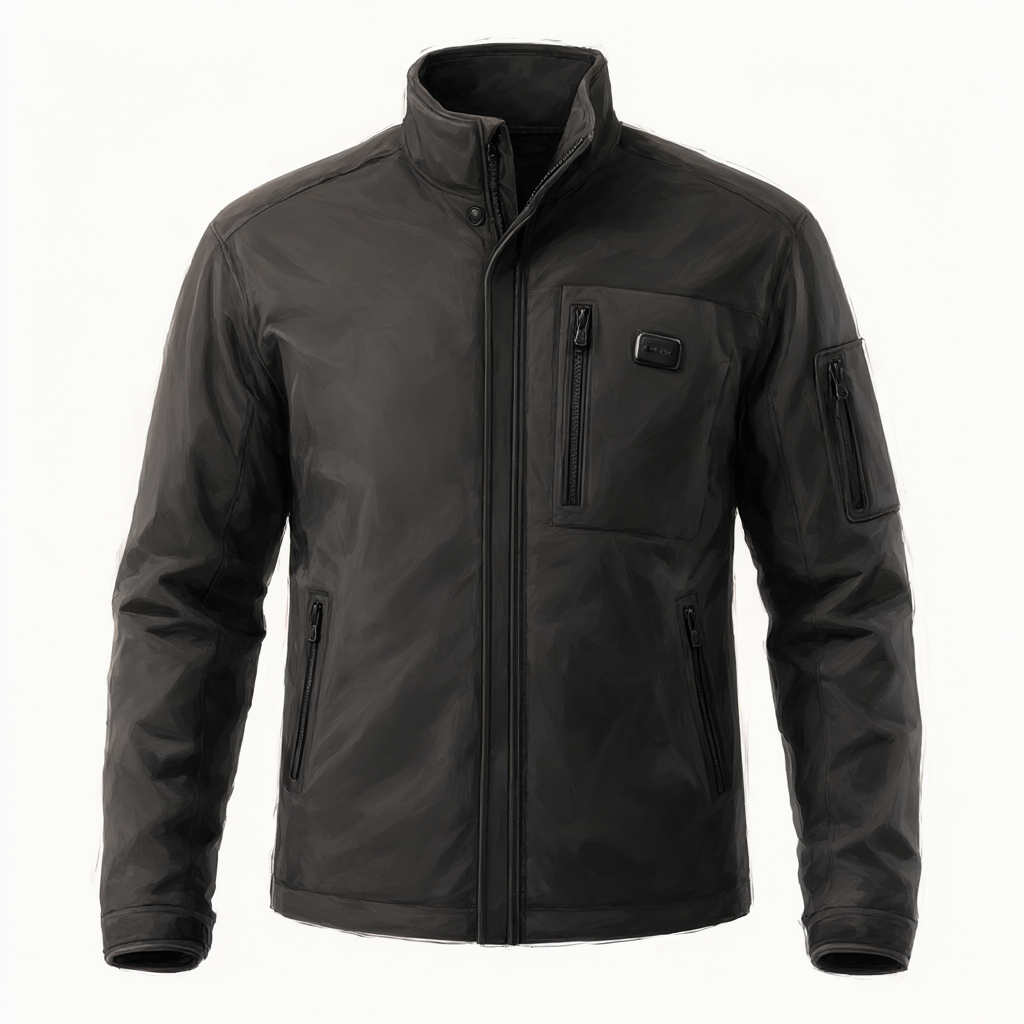
The M12 Toughshell is heated workwear for tradespeople who already own Milwaukee tools and want a jacket that runs on the same batteries. The current generation uses HEXON Heat Technology, which Milwaukee says delivers the fastest heat up time in its lineup.
The big idea is the battery ecosystem. If you own Milwaukee M12 tools, you already own spare batteries, and the Toughshell accepts every M12 pack. The zippered battery pass-thru pocket lets you place the battery in the front or back pocket for comfort. The kit version bundles a battery, a TOP-OFF charger, and a USB-C cable, so first-time buyers get a complete setup.
The 12V platform is the performance edge. Carbon nanotube heating elements reach full heat in less than 2 minutes, and the claimed 12-hour low runtime is the longest in this comparison. Per-zone controls go further than single-setting jackets: you can run the chest and back on one setting while the pockets run on another, which is genuinely useful when your hands need more heat than your torso.
The shell is the other premium argument. The 100% stretch polyester Toughshell with DWR finish is built to survive abrasion, sharp edges, and wet jobsites, and 3X more insulation than the previous generation means the jacket insulates even with the heat off. Washer and dryer safe construction makes it the easier jacket to maintain.
The tradeoffs are price, weight, and warranty length. The jacket alone costs $235, with no battery in the box, and owners consistently describe it as heavy. The 1-year jacket warranty is a third of Ororo’s heating-element coverage.
Who it suits: tradespeople and serious DIYers already invested in the M12 battery platform, plus anyone who wants the toughest heated shell available and is willing to pay the tool-brand premium for it. See our Milwaukee M12 Toughshell heated jacket review for the full deep dive, and our Milwaukee vs DeWalt heated jacket comparison if you are choosing between tool brands.
Who should skip it: budget buyers, style-first commuters, and anyone who will never use an M12 battery for anything else. The premium only pays off if the ecosystem or the durability matters to you.
Check Milwaukee Toughshell price
Head to Head: The Deciding Factors
Price and total cost of ownership
The price math is tighter than it used to be. The Ororo Dual Control lists at $219.99 on Amazon, 12% off a $249.99 list price, and has sold for $189.99 during sale events, with its battery in the box. The Milwaukee jacket by itself costs $235 at retailers like Adam Tools, reduced from $255, with no battery and no charger. If you already own M12 batteries, the real gap is $15 to $45. If you do not, you need the kit version with the M12 battery, charger, and cable, which pushes the real first-time cost well above $235.
Spare batteries favor Ororo too: a 7.4V pack costs far less than an extra M12 pack, though M12 packs hold resale value and power your tools.
Heating technology: carbon fiber vs carbon nanotubes
Ororo uses carbon fiber heating elements, the industry standard in 7.4V jackets: thin, flexible panels that heat quickly and distribute warmth evenly. Milwaukee uses carbon nanotube elements under its HEXON Heat Technology branding, which Milwaukee says delivers the fastest heat up time in its lineup, reaching full heat in less than 2 minutes. On paper, nanotubes are the more advanced material. In practice, both jackets heat in seconds to a couple of minutes, and owners of both brands report satisfying warmth. Treat the tech difference as a tiebreaker for spec-sheet shoppers, not a deciding factor. Battery voltage and zone layout matter more.
Heating zones and control
Ororo gives you five zones: left and right hand pockets, left and right arms, and mid-back. Milwaukee gives you three: chest, back, and pockets. Ororo wins on coverage, especially with the heated arms.
Control is now a closer fight than it used to be. Ororo’s dual control system heats the back and pockets, the arms, or all five zones independently. Milwaukee runs the chest and back on one setting while the pockets run on another. Both are genuinely useful when your extremities need more heat than your torso. Call this one a draw with different strengths: Ororo heats more zones, Milwaukee’s layout favors pocket warmth on the jobsite.
Battery runtime
On paper, Milwaukee’s 12V platform wins the all-zones comparison: a claimed 12 hours on low, 6 on medium, and 3 on high, versus Ororo’s 7, 4, and 2 with all five zones running. But Ororo’s dual control changes the math in real use. Heat just the arms and Ororo claims up to 20 hours on low, 12 on medium, and 6 on high. Heat just the core (back and pockets) and it claims 10, 6, and 3, matching Milwaukee on medium and high. In practice, runtime depends heavily on which battery you use. Milwaukee’s claims assume the M12 REDLITHIUM 3.0 pack, and owners say higher amp-hour M12 packs perform better while small packs underperform. One caveat: independent hands-on testing of the prior generation found real-world runtime well short of marketing claims on higher settings, so treat the low number as the realistic all-day figure and budget battery swaps for high.
Durability and care
Milwaukee is built for the jobsite and it shows. The 100% stretch polyester Toughshell with DWR finish resists wind, water, abrasion, and sharp edges, and the jacket is washer and dryer safe. Ororo’s water-resistant 90/10 polyester-spandex shell with FELLEX insulation is fine for everyday use but is not workwear.
Hands-on reviewers of the Toughshell note it survived snags on sharp edges and rocks with no blemishes, and it looks presentable when cleaned up for contractors who meet clients. Ororo has no comparable work-durability story. If your jacket will see concrete, lumber, or engine bays, Milwaukee is the only choice here.
Warranty
Ororo wins decisively. Three years on the heating elements and one year on the battery, for orders placed on ororowear.com, versus Milwaukee’s one year on the jacket. For a garment with sewn-in electronics, two extra years of element coverage is a genuine financial hedge. Milwaukee’s 2-year battery warranty in the kit listing is a nice touch, but batteries are the cheap part to replace. The expensive part to replace is the jacket itself.
Fit and sizing
The Toughshell runs roomy by design, to accommodate layers. Reviewers recommend considering a size down if you do not plan to layer, and owners echo that it runs a little big. It is also heavy, with the thick shell, extra insulation, and the brick-like M12 battery. Ororo’s lighter 7.4V build is the easier everyday wear.
What Owners Actually Say
The Milwaukee Toughshell holds 4.4 stars from 1,027 reviews on Home Depot, with 79% of owners recommending it, but feedback is mixed on fit, weight, and heat. Owners call it really warm while noting it runs a little big, is very heavy, and takes a while to warm up. A hands-on reviewer measured about 2 hours of runtime with both zones on full blast, 3 hours on one zone, and 8 hours on the lowest single-zone setting, and flagged the battery placement as painful when working on the back. The 30-minute battery recharge was the standout positive.
Ororo’s owner story for the Dual Control is thinner. A YouTube hands-on reviewer called the jacket one of the best purchases they had made, echoing the up-to-20-hour arms-only runtime figure. As the newer generation, it does not yet have the deep review history of Milwaukee’s workwear line, which is worth weighing if owner consensus matters to you.
Who Should Buy Which
Buy the Ororo Men’s Dual Control if: you want the best value in heated jackets, you want the most heat zones for the money, the 3-year heating-element warranty matters to you, you want heated arms with independent controls, you want a light jacket for commuting or spectating, or you will never buy Milwaukee power tools.
Buy the Milwaukee M12 Toughshell if: you already own M12 batteries, you work outdoors in harsh conditions and need work-grade durability, you want the longest claimed all-zones runtime, or you want washer and dryer safe care.
Buy neither and keep looking if: you need a fully waterproof shell, you want a heated vest instead of a full jacket, or you want the cheapest entry point. Our how to choose a heated jacket guide covers weather ratings, and our best budget heated jackets roundup covers the cheapest options.
Frequently Asked Questions
Is the Milwaukee heated jacket worth the extra money over Ororo?
Only in specific cases now. The gap has narrowed: the Ororo Dual Control lists around $190 to $220 with its battery included, while the $235 Milwaukee jacket ships with no battery. The Milwaukee is worth it if you already own M12 batteries (then you already have the power) or need jobsite durability. For pure warmth per dollar, Ororo’s five zones and 3-year element warranty still win.
Does the Milwaukee M12 Toughshell come with a battery?
The jacket-only version (M100B-20) does not. It costs $235 without a battery or charger. The kit version (M100-21) includes an M12 REDLITHIUM 3.0 battery, a TOP-OFF charger, and a USB-C cable. If you own Milwaukee tools, buy the jacket-only version and use batteries you already have.
Which has better battery life, Ororo or Milwaukee?
Milwaukee claims 12 hours on low, 6 on medium, and 3 on high with all zones running. Ororo claims 7, 4, and 2 with all five zones running, but its dual control changes the picture: core-only heating claims 10, 6, and 3, and arms-only claims up to 20 hours on low. If you heat selectively, Ororo stretches further. Real-world Milwaukee runtime on high tested closer to 2 to 3 hours in hands-on reviews.
Can I use my Milwaukee tool batteries in the heated jacket?
Yes. The Toughshell works with all M12 batteries, and owners recommend higher amp-hour packs for the best jacket performance.
Which has the better warranty?
Ororo, by a wide margin: 3 years on heating elements and 1 year on batteries, versus Milwaukee’s 1 year on the jacket with a 2-year battery warranty on kit purchases.
Do these jackets work without the heat turned on?
Yes, both of them. The Ororo has FELLEX insulation and the Milwaukee has extra insulation plus a wind and water resistant shell. Both function as regular winter jackets with the heat off, which is why shell quality matters as much as the heating system.
The Bottom Line
Ororo vs Milwaukee is a value-versus-premium decision, and the right answer depends on what you already own and where you will wear the jacket. The Ororo Men’s Dual Control is the smarter buy for most people: five heat zones including heated arms, independent arm and core controls, a 3-year heating-element warranty, a light build, and a price around $190 to $220 that includes the battery. That leaves the $235 Milwaukee jacket, with no battery in the box, looking expensive unless you already own M12 batteries. If you want the full Ororo story, our best Ororo heated jackets roundup covers the lineup in depth.
The Milwaukee M12 Toughshell earns its price only in specific cases: you already own M12 batteries, you need a jacket that survives a jobsite, or you want the longest claimed all-zones runtime at 12 hours on low.
If you are still comparing across brands rather than between these two, our Best Heated Jackets of 2026 hub ranks every major option side by side.
Check Ororo Dual Control price | Check Milwaukee Toughshell price