Shopping for a heated jacket feels simple until the spec sheets start. One jacket runs on 5V, another on 12V, a third on a power-tool battery platform. Zone counts range from three to six, runtime claims swing from 2 to 28 hours, and every brand says its sizing is standard. Picking wrong means a jacket that dies at noon or a battery you cannot replace.
BEST FOR FIRST-TIME BUYERS
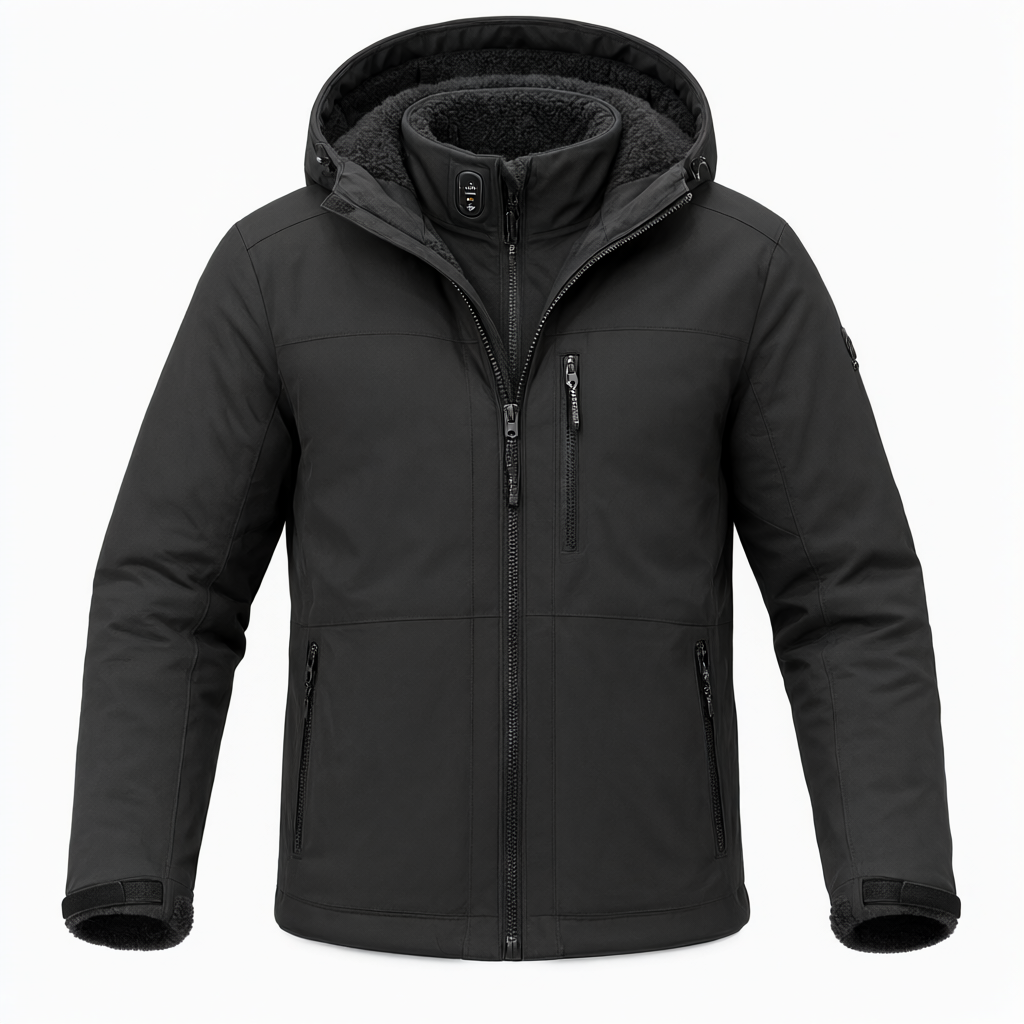
Ororo Men’s Classic
- four zones including hand pockets and collar, one more than the 3-zone standard
- 3-year element warranty is the strongest in its class
- $169.99 lands in the mainstream sweet spot
This is a research-based guide. We compared manufacturer spec sheets, major retailer listings, warranty pages, and published owner data for the jackets in our roundups. We did not test these jackets ourselves, and every specific figure below is cited to its source. Where sources disagree or stay silent, we say so. By the end you will know which voltage, zone count, and price tier to buy, with four concrete picks for the most common buyers in the Quick Picks section below.
The Short Answer
Match the voltage to your cold: 5V for light commuting and mild winters, 7.4V as the mainstream sweet spot for everyday winter use, and 12V when you need maximum heat for deep cold or work outdoors. Tool-brand voltages like Milwaukee M12 or DeWalt 20V MAX are worth it mainly if you already own those batteries. Look for at least three heat zones covering the chest and back, plan on real-world runtime landing around 60 to 70 percent of the low-setting marketing claim, buy a snug fit so the elements sit against your body, and check the warranty before checkout because element coverage ranges from one to three years by brand.
Heated Jacket Guide is reader-supported. As an Amazon Associate we earn from qualifying purchases. When you buy through links on this page, we may earn a commission at no extra cost to you.
Quick Picks: What to Buy by Need
If you want the recommendation first and the education second, start here. These four picks cover the buyers this guide is written for. The sections below explain the voltage, zone, runtime, fit, wash, and warranty logic behind each one.
| Pick | Best for | Price |
|---|---|---|
| Ororo Men’s Classic | First-time buyers | $169.99 |
| Venustas 12V Men’s Heated Softshell Jacket | Budget 12V heat | $129.99 |
| Milwaukee M12 Toughshell | Existing M12 battery owners | $235, jacket only |
| Ororo Men’s Dual-Control Heated Jacket (5-Zone) | Midrange softshell | About $190 to $220 |
1. Ororo Men’s Classic: best for first-time buyers
The mainstream value benchmark, with 4 heating zones and the strongest element warranty in its class at 3 years. Buy this if you want the safe default that our best heated jackets of 2026 roundup keeps returning to. Skip it if you already own tool-brand batteries, which change the math.
Key specs
- 7.4V system, the mainstream voltage for everyday winter use
- 4 heating zones covering the left and right hand pockets, mid-back, and collar
- 4800mAh / 35.4Wh battery with claimed runtimes of 3 hours on high, 6 on medium, and 10 on low
- 3-year heating-element warranty with 1 year on the battery
- $169.99 on Amazon
Pros and cons
- Pro: four zones including hand pockets and collar, one more than the 3-zone standard
- Pro: 3-year element warranty is the strongest in its class
- Pro: $169.99 lands in the mainstream sweet spot
- Con: no tool-battery platform, so skip it if you already own M12 or 20V MAX batteries
Bottom line: the safe default for first-time buyers. Check price on Amazon. Skip it if you already own tool-brand batteries.
2. Venustas 12V Men’s Heated Softshell Jacket: best budget 12V heat
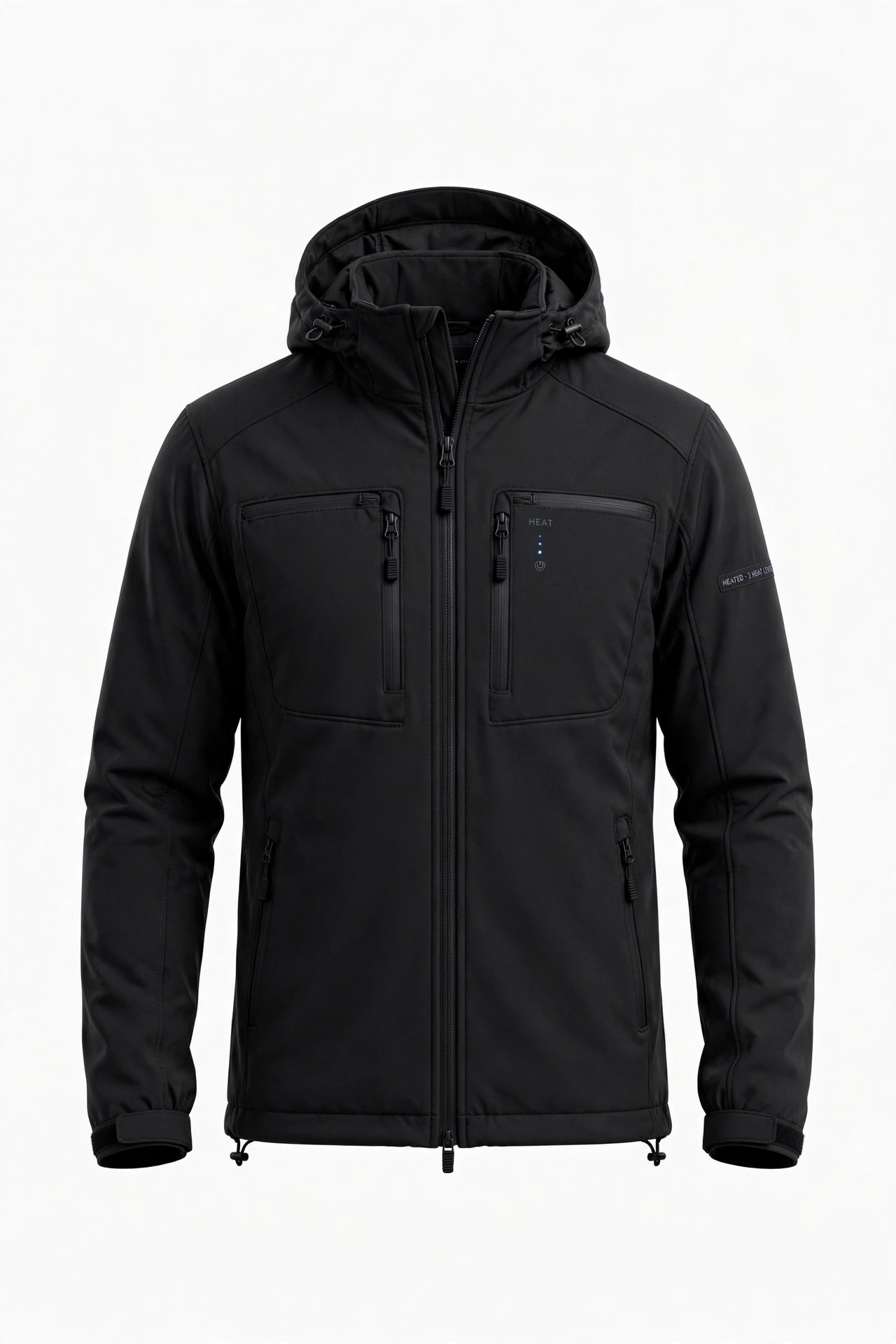
A 12V jacket at a budget price, the cheapest way into 12V heat we found. Venustas runs a 12V system with five zones and a 14400mAh battery in the box, with published highs of 149F. Buy this if you want maximum heat per dollar. Skip it if you need a work-tough shell.
Key specs
- 12V system with an included 14400mAh battery
- 5 heating zones with published highs of 149F
- $129.99 on Amazon
Pros and cons
- Pro: the cheapest 12V entry we found, undercutting most 7.4V mainstream jackets
- Pro: maximum heat per dollar with 149F published highs
- Con: 12V batteries run larger and heavier with shorter runtimes than 5V or 7.4V packs
- Con: not a work-tough shell, so skip it for jobsite duty
Bottom line: the cheapest way into 12V heat. Check price on Amazon. Buy it for maximum heat per dollar.
3. Milwaukee M12 Toughshell: best for M12 battery owners
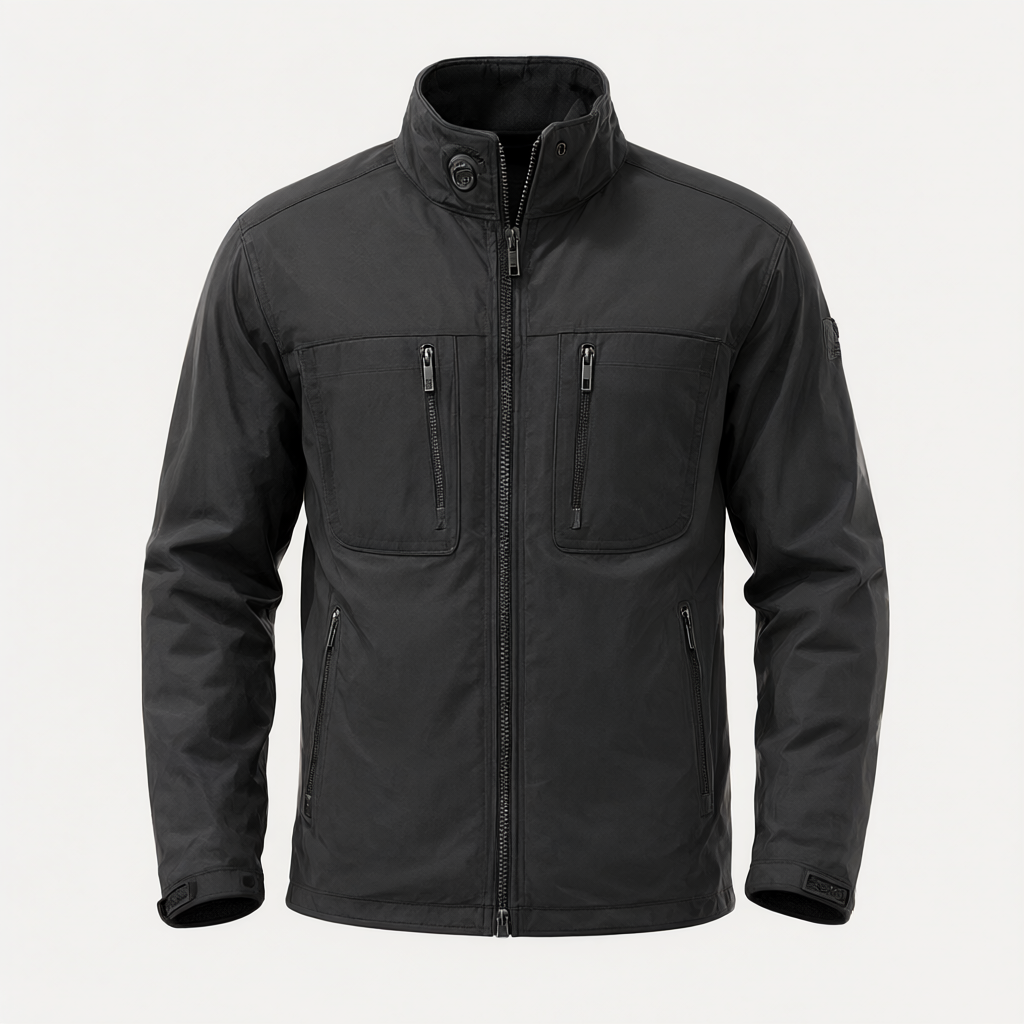
The buy for tradespeople who own M12 batteries, because the battery cost disappears. Skip it if you own no Milwaukee batteries. Without them, the $235 jacket-only price is a trap.
Stock note (checked September 21, 2026): The linked Amazon listing shows as currently unavailable. Check the listing for restocks or other sizes.
Key specs
- Runs on the 12V M12 REDLITHIUM battery platform
- $235 jacket-only with no battery included, reduced from $255
- Claimed runtimes of up to 12 hours on low, 6 on medium, and 3 on high with M12 batteries
- Sizing runs true to size
Pros and cons
- Pro: the battery cost disappears if you already own M12 batteries
- Pro: up to 12-hour claimed runtime on low
- Pro: the work-tough option for jobsites and all-day outdoor work
- Con: $235 with no battery in the box, so the first-time cost is steep without the platform
Bottom line: buy it only if M12 batteries already live in your toolbox. Without them, the jacket-only price is a trap.
4. Ororo Men’s Dual-Control Heated Jacket (5-Zone): best midrange softshell
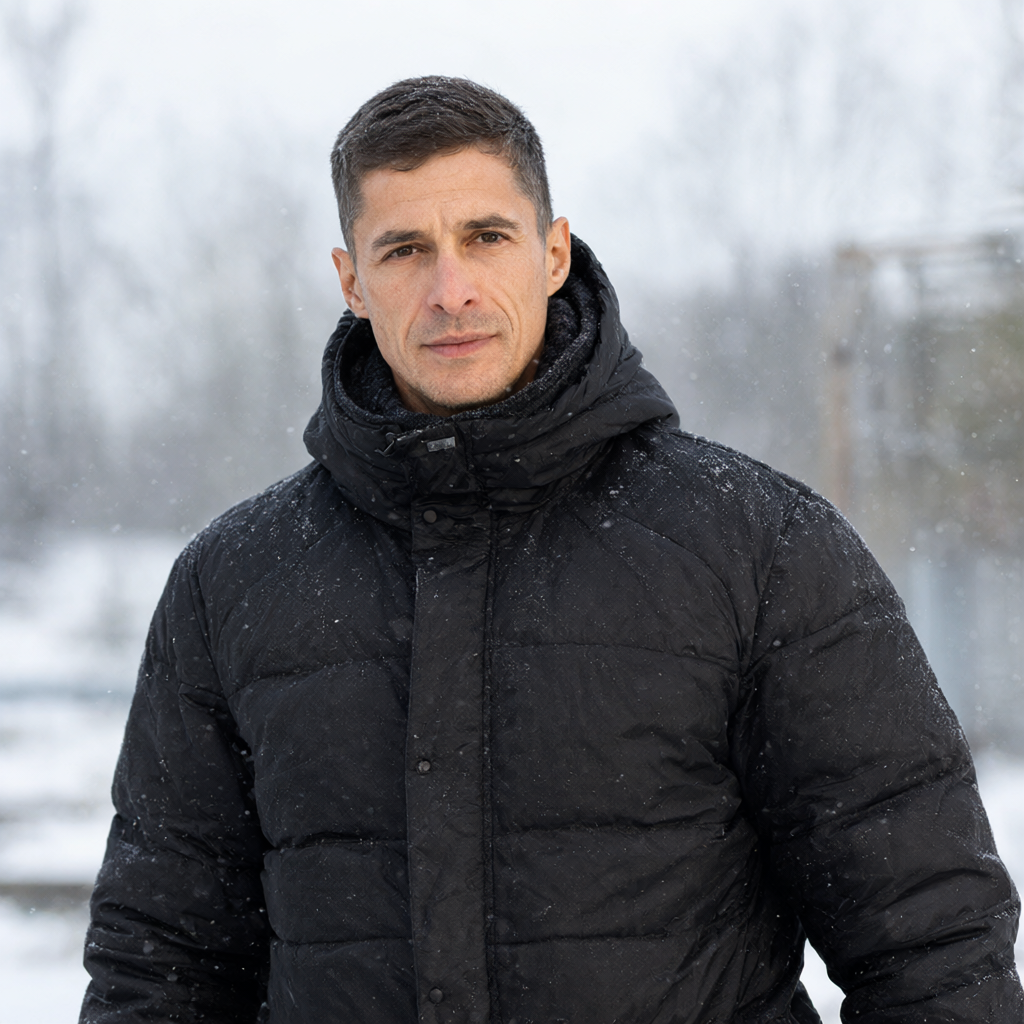
Five zones with independent dual-zone control from the category leader: heat the back and pockets, the arms, or all five zones independently, with three settings per side. The 7.4V 4800mAh battery is in the box and doubles as a phone charger over USB. Buy this if you want the most control short of a tool-battery platform. Skip it if you want app control.
Key specs
- 7.4V system with an included 4800mAh battery
- 5 heating zones: left and right hand pockets, left and right arms, mid-back
- Dual-control: heat the back and pockets, the arms, or all five zones independently
- Three heat settings per side
- 3-year heating-element warranty with 1 year on the battery
- About $190 to $220 on Amazon
- Machine washable
Pros and cons
- Pro: five zones with independent control, the most flexible heating here
- Pro: 3-year heating-element warranty from the category leader
- Pro: battery doubles as a phone charger over USB
- Con: no app control
- Con: pricier than the 4-zone Ororo Classic
Bottom line: the most flexible heating short of a tool-battery platform. Check price on Amazon. Skip it if you want app control.
Read on for the reasoning behind every pick, and see best budget heated jackets for the full value tier.
The Full Explanation
Voltage Systems: 5V vs 7.4V vs 12V vs 20V MAX
Voltage is the first decision because it sets the ceiling on heat output and shapes everything else, including battery weight and cost.
Heated jackets typically operate at 5V, 7.4V, or 12V. One breakdown of the systems puts the tradeoffs plainly: 5V suits lightweight garments with low to moderate heat, 7.4V is the everyday middle ground with moderate to high heat, and 12V serves heavy-duty outdoor use with high heat output. Higher voltage heats faster and hotter, but it drains the battery faster too. The same source gives rough best-case battery life by voltage: up to 10 hours for 5V, up to 8 hours for 7.4V, and up to 4 hours for 12V.
Here is how that plays out in practice:
| Voltage | Heat | Typical best for | Battery tradeoff |
|---|---|---|---|
| 5V | Gentle to moderate | Commuting, dog walks, mild winters | Light, slim power banks with modest max heat |
| 7.4V | Moderate to strong | Everyday winter wear, spectating, travel | Balanced weight and runtime, the most common system |
| 12V | Strong to intense | Deep cold, outdoor work, motorcycling | Heavier batteries, shorter runtimes, higher prices |
| Tool-brand (M12, 20V MAX, 12V Max) | Varies by platform | Tradespeople who already own the batteries | Buy it for the battery you own, not the number on the label |
Why does 7.4V dominate the mainstream? It uses purpose-built lithium-ion packs that push more power than a USB bank without the bulk of 12V cells. As one heated-gear maker puts it, 12V batteries are larger and heavier because they have to handle the higher power draw, and the specialized cells cost more. That is the honest price of the extra heat: more weight in your pocket and a shorter day on one charge.
Tool-brand voltages deserve their own note. Milwaukee runs its jackets on the 12V M12 REDLITHIUM platform, Bosch on 12V Max, and DeWalt on 20V MAX with backward compatibility. For DeWalt, the product page states the USB power source is designed for 20V MAX batteries and the jacket’s adapter also accepts 12V MAX batteries.
The takeaway on tool brands: buy into the platform you already own. If you have no batteries, a DTC 7.4V jacket gives you more jacket per dollar.
Heat Zones and Placement
Zone count is the second number everyone quotes, and placement matters more than the raw total.
Three zones (chest and back) is the category standard, and most listings describe exactly that: two zones in the chest and a large zone in the back.
The Gobi Heat Sahara is the textbook example of the standard layout, three zones with two in the chest and a large one in the back, plus a one-touch controller that shows the actual temperature per setting (122F low, 131F medium, 140F high), a transparency most brands skip. From there, brands differentiate in two directions. Some add zones: Gobi Heat’s Grit workwear jacket runs five zones (two chest, two abdomen, one large back) with published temperatures of 113F on low, 131F on medium, and 140F on high. Others add independent control: Ororo’s Men’s Classic runs four zones covering the hand pockets, mid-back, and collar.
The iHood takes the control idea furthest in the budget class, with six heating elements across three independently controlled areas and a preheat mode that reaches 158F.
What to actually check when you compare zone counts:
- Placement beats count. Chest, back, and pockets cover your core. A collar zone is a genuine comfort upgrade on windy days. Zones on the abdomen (like the Grit’s) help if you sit or stand still.
- Independent control beats one button. Jackets that let you run zones separately stretch battery life because you can heat your torso and rest your pockets.
- Published temperatures are rare and useful. Most brands publish only low, medium, and high. Gobi Heat’s 113F/131F/140F readouts are an exception, not the norm, so do not expect them everywhere.
Our deep dive on zone counts and placement lives in the heated jacket heat zones guide.
Battery Life and Real-World Runtime
This is where marketing stretches furthest, so treat every runtime figure as a best case.
Claimed runtimes cluster in a familiar pattern: roughly 2 to 3 hours on high, 5 to 6 on medium, and 8 to 12 on low, depending on the battery. The Ororo Men’s Classic, for example, claims 3 hours on high, 6 on medium, and 10 on low from its 7.4V 4800mAh (35.4Wh) battery.
The Gobi Heat Sahara claims up to 10 hours on low from its larger 6700mAh 7.4V battery, which shows how capacity, not just voltage, drives the headline number. A 10,000 mAh bank on a 5V system lands around 6 to 8 hours on medium.
Three realities shrink those numbers in the field:
1. Cold drains lithium batteries. A battery delivers less usable energy at 10F than at 40F. The 60 to 70 percent rule is a reasonable planning figure for real winter days: take the claimed low-setting number and expect roughly two thirds of it outdoors.
2. You will not live on low. Most owners cycle to medium or high when the wind picks up. Budget your runtime on the setting you will actually use.
3. Claims are not standardized. There is no independent test protocol behind most figures. DeWalt’s own DCHJ060 product page lists two different low-setting numbers (5.5 hours in one place, 7 hours in another, for the same 1.5Ah battery).
The practical moves: carry a spare battery for full days outside, buy a second pack with the jacket if spares are sold separately, and prefer brands that publish battery capacity in mAh or Wh so you can compare. Our heated jacket battery buying guide covers spare and upgrade options in detail.
Fit and Sizing Quirks
Heated jackets fit differently from regular jackets, and the fit directly affects how warm you feel.
The rule is simple: the elements have to sit close to your body to work. A snug fit keeps the heating elements in contact with you and blocks cold air from circulating. A loose jacket heats the air gap instead of you, which wastes battery and warmth. Milwaukee’s sizing is reported as true to size, with the same guidance: the most efficient heating comes from the lining sitting right against your base layer.
The sizing quirk that trips up buyers: you also need room for a mid-layer. The standard advice is to measure your chest and compare against the brand’s own chart, then:
- Between sizes? Size up if you plan to layer underneath. DEWBU’s size guide states it directly: “If you’re between sizes or prefer a looser fit, we recommend sizing up.”
- Compare against a jacket you own, not a t-shirt. Chest measurements from a garment that fits you now beat size letters, which vary by brand.
- Women’s models differ from recolored unisex. If a “women’s” jacket shares its size chart with the men’s version, treat it as unisex and check owner feedback.
Our full heated jacket sizing guide walks through measuring and brand-specific quirks.
Washability
Every heated jacket needs the battery removed before washing. After that, the rules split by brand, and this is worth checking before you buy, not after your first muddy day.
Retailer listings show the spread. Gobi Heat jackets are listed as machine washable, with the Grit workwear jacket’s listing stating “Machine wash” and the Sahara listing noting “Machine washable.”
Other brands specify cold or gentle cycles with line drying on their care labels. The pattern across the category: machine washing on gentle with cold water is the common ceiling, machine drying is the common casualty. Never assume a heated jacket is dryer safe unless the manufacturer says so in writing.
The buying implication: if you will wear the jacket hard (jobsite, dog walking in the rain, ski season), a simpler care routine is a real ownership feature. Favor jackets whose wash instructions you will actually follow.
Warranty: What the Brands Actually Cover
Warranties in heated apparel are split: the heating elements and the battery are usually covered for different periods, and the battery is almost always the shorter one.
Ororo stands out with a 3-year warranty on heating elements and 1 year on batteries for orders placed on its own site. iHood splits the difference with 18 months on the battery and 2 years on the elements. Gobi Heat listings show a standard 1-year manufacturer warranty. Several brands do not publish warranty terms prominently at all, which we treat as a red flag at premium prices.
Read the fine print before you assume coverage: some warranties apply only to purchases made directly from the brand’s site, batteries are often excluded from the headline number, and water damage from ignoring the wash instructions typically voids coverage.
Price Tiers and What Each Tier Buys
Heated jackets cluster into clear tiers, and each one buys something specific.
- Under $150: honest warmth on a budget. This tier buys 5V or sale-priced 7.4V systems with three zones. The exception is the Venustas 12V Men’s Heated Softshell Jacket, a 12V jacket selling for $129.99 on Amazon, the cheapest 12V entry we found. Our best heated jackets under $150 roundup lives here.
- $140 to $200: the mainstream sweet spot. The Ororo Men’s Classic at $169.99 and the Ororo Men’s Dual-Control at about $190 to $220 deliver four and five zones respectively, published runtimes, and real warranties. Most first-time buyers should land here. See best budget heated jackets for the full value bench.
- $200 to $350: premium materials and control. The Venture Heat MAX 26W at $249.99 (against a $349.99 MSRP) adds Bluetooth app control and down fill. You are paying for the shell, the features, and the brand experience, not twice the heat.
- Tool-brand tier: the math is different. A Milwaukee M12 Toughshell lists at $235 for the jacket only, with no battery included, which is a deal if you own M12 batteries and a trap if you do not.
Sale pricing moves constantly in this category, and several brands anchor high MSRPs to make discounts look steep. Judge a deal against the street price we cite in our roundups, not the crossed-out number.
How to Read a Spec Sheet: A Worked Example
Specs make more sense decoded on a real listing. Take the Ororo Men’s Classic, the value benchmark in our roundups:
- 7.4V system: the mainstream voltage brings moderate to strong heat without the bulk and cost of 12V cells. Right for everyday winter use.
- 4 heating zones (hand pockets, mid-back, collar): one more than the 3-zone standard, and the pocket zones warm your hands, not just your core.
- 4800mAh / 35.4Wh battery, claimed 3 hours high, 6 medium, 10 low: a mid-size pack. The Wh number (35.4) is the one to compare across brands, since mAh alone ignores voltage. Plan on roughly two thirds of the low number in real cold.
- 3-year heating-element warranty, 1-year battery: the split is the tell: elements are covered three times longer than the battery, which is the part most likely to age out first.
Run any listing through this decode: voltage tells you the heat class, zones tell you the coverage, Wh tells you the fuel tank, and the warranty split tells you what the brand actually stands behind.
How Each Factor Affects Your Purchase Decision
Voltage, zones, runtime, fit, washability, warranty, and price all point at one question: which jacket do you actually buy? Here is how the factors resolve for the most common buyers. Current street prices for every pick below are in the Quick Picks section above.
Daily commuter or dog walker: buy a 7.4V mainstream jacket with three or four zones. You do not need 12V for an hour outside. The Ororo Men’s Classic is the value benchmark for this buyer. Start with our best heated jackets flagship roundup for the full comparison.
Works outdoors all day: prioritize claimed runtime on medium, spare-battery availability, and a washer-friendly shell. Tool-brand platforms pay off here if you own the batteries. The Milwaukee M12 Toughshell ($235, jacket only, no battery included) is the buy when M12 batteries already live in your toolbox, since you skip the battery cost entirely.
Deep cold or hunting treestand: 12V systems and five-zone layouts earn their keep when you are stationary in freezing wind. The Venustas 12V Men’s Heated Softshell Jacket is the cheapest 12V entry we found, undercutting most 7.4V mainstream jackets.
Mild climate or first heated garment: buy a 5V jacket or vest. It is lighter, cheaper, and simpler to charge, and vests are the affordable entry point into the category.
Tight budget: buy from the under-$150 tier, which is genuinely warm now. Our best budget heated jackets guide ranks the best warmth per dollar.
Still comparing categories? A vest heats your core for less money and layers under any shell, while gloves fix the other classic complaint: warm torso, frozen hands. See our best heated gloves roundup for that half of the equation.
Common Mistakes Buyers Make
1. Buying on voltage alone. A higher number does not mean a warmer jacket by itself. A well-built 7.4V jacket with four zones and good insulation beats a thin 12V shell with a small battery. Judge the system, not the number.
2. Trusting runtime claims at face value. Claims are best-case figures from the manufacturer, usually on low in mild conditions. Plan on 60 to 70 percent of the claimed low number for real winter use, and remember DeWalt’s own page contradicts itself on the same battery.
3. Ignoring battery ownership costs. Tool-brand jackets often sell the garment without a battery. A $235 jacket-only price is only a deal if you already own the platform’s batteries.
4. Buying a loose fit. Extra room feels comfortable in the fitting room and wastes heat outside. The elements need to sit against your body.
5. Skipping the warranty check. Element coverage ranges from one to three years, and battery coverage is almost always shorter. At $250-plus, a one-year warranty is thin.
6. Washing it like a normal jacket. Battery out, cold water, gentle cycle, line dry, unless the manufacturer says otherwise in writing. Heat damage from the dryer is an expensive lesson.
7. Falling for the crossed-out price. Inflated MSRPs are standard in this category. Compare against current street prices, not the “was” number.
Recommended Next Reads
- Best Heated Jackets 2026: our flagship roundup, ranked by real-world warmth with every spec sourced.
- Best Budget Heated Jackets: the best warmth per dollar, led by Jev’s top-scoring keyword.
- Best Heated Gloves: because a warm torso and frozen hands is the classic heated-jacket complaint.
FAQ
How do heated jackets work?
A rechargeable battery sends low-voltage power through heating elements (usually carbon fiber or conductive thread) sewn into the jacket lining. A button or app cycles through heat settings, and the elements warm your core through the fabric. Most systems run on 5V, 7.4V, or 12V lithium-ion packs housed in an interior pocket.
How long does a heated jacket battery last?
Manufacturer claims typically run 2 to 3 hours on high, 5 to 6 on medium, and 8 to 12 on low. Real-world use in freezing temperatures lands lower, so plan on roughly two thirds of the low-setting claim and carry a spare battery for full days outside. Our heated jacket battery buying guide covers spares and upgrades.
Are heated jackets safe?
For normal use, yes. They run on low-voltage DC power, and most include overheat protection or auto shut-off. Do not puncture or use a damaged battery, keep the battery connection dry, and follow the washing instructions. We cover this in depth in our safety guide.
Can I wash a heated jacket?
Remove the battery first, then follow the care label: most brands allow machine wash on gentle with cold water and require line drying. Gobi Heat lists its jackets as machine washable, but never assume dryer safety unless the manufacturer states it. Check your specific model’s instructions before the first wash.
Do heated jackets work without the battery?
Yes, as regular insulated jackets. The heating elements just stay off. Models with real insulation (down, synthetic fill, or fleece lining) stay the warmest with a dead battery, which is worth considering if you will be far from a charger.
Should I size up in a heated jacket?
Measure your chest and check the brand’s own chart rather than guessing from a t-shirt size. Size up if you are between sizes and plan to layer underneath, but keep the fit snug enough that the heating elements sit against your body. A loose jacket heats the air gap instead of you.
Final Verdict
There is no single best heated jacket, but there is a best way to choose one. Start with your cold: mild winters and short outings point to 5V or 7.4V, everyday winter life points to 7.4V, and deep cold or all-day outdoor work points to 12V or a tool-brand platform you already own. Then check zones and placement, discount the runtime claim to real-world conditions, buy a snug fit, and read the warranty. A $150 jacket chosen this way will keep you warmer than a $300 jacket chosen on marketing.
When you are ready to pick, our best heated jackets of 2026 roundup ranks ten jackets by real-world warmth with every spec sourced, and the best budget heated jackets guide covers the value tier.
Sources
- Voltage explained: https://www.heatedbattery.com/understanding-the-best-voltage-for-a-heated-jacket/
- Best voltage for a heated jacket: https://www.heatedbattery.com/what-is-the-best-voltage-for-a-heated-jacket/
- 5V vs 7.4V vs 12V heated gear: https://www.gokozywear.com/blogs/news/5v-vs-7-4v-vs-12v-heated-gear
- Power bank capacity guide: https://www.heatedbattery.com/what-power-bank-do-i-need-for-a-heated-jacket-essential-information/
- 7.4V heated clothing explained: https://kentdohealthybeauty.com/blogs/beauty-self-care/dc-7-4v-heated-clothing-what-this-voltage-means-for-warmth
- Heated jacket fit guide: https://www.heatedbattery.com/should-a-heated-jacket-fit-tight-or-loose/
- Milwaukee heated jacket sizing: http://mybubbaandme.com/read-here/do-milwaukee-heated-jackets-run-big-or-small/
- DEWBU size guide: https://dewbu.com/pages/size-guide
- Ororo Men’s Dual-Control (Amazon): https://www.amazon.com/dp/B0CQR3RFN8?tag=heatedjacketg-20
- Gobi Heat Grit (Bass Pro): https://www.basspro.com/shop/en/gobi-heat-grit-heated-workwear-jacket-for-men-3596709
- Ororo Men’s Classic (Amazon): https://www.amazon.com/dp/B01G8TPRHC?tag=heatedjacketg-20
- Ororo warranty: https://www.ororowear.com/pages/warranty
- Venture Heat MAX 26W (men’s): https://www.ventureheat.com/en-ca/collections/welcome-offer-all-but-dive-outlet/products/mens-12v-bt8710
- Venustas 12V Men’s Heated Softshell (Amazon): https://www.amazon.com/dp/B0FLDS2HL8?tag=heatedjacketg-20
- DeWalt DCHJ060: https://www.dewalt.com/en-us/product/dchj060b/dewalt-20v-max-lithium-ion-soft-shell-heated-jacket
- Gobi Heat Sahara (men’s): https://www.mycoolingstore.com/products/gobi-heat-sahara-3-zone-heated-jacket-for-men
- iHood men’s heated jacket: https://www.ihoodwarm.com/collections/ihood-mens-heated-jacket/products/mens-ihood-heated-hooded-jacket