As an Amazon Associate I earn from qualifying purchases.
The best heated jacket for most people in 2026 is the Ororo Men’s Classic: 4 heating zones, a claimed 10-hour runtime, a 3-year warranty on the heating elements, and a $140 to $160 street price that undercuts premium rivals by $100 or more. Want maximum heat instead? Buy the iHood 12V. Work outdoors and already own the batteries? Buy into your platform with the Milwaukee M12 Toughshell or the DeWalt 20V MAX.
This is a research-based review. We compared manufacturer specs, verified owner feedback, and published product data across 10 jackets to rank them by warmth, battery life, fit, and value. We did not accept free products, and every spec below is cited to its source.
Quick Picks
| Jacket | Best for | Voltage | Heat zones | Price |
|---|---|---|---|---|
| Ororo Men’s Classic Heated Jacket | Best overall | 7.4V | 4 | $140-$160 |
| Venture Heat MAX 26W Down Jacket | Best premium | 12V | 3 | $250 |
| Milwaukee M12 Toughshell | Best for work | 12V (M12) | 3 | $235 (jacket only) |
| DeWalt 20V MAX Soft-Shell (DCHJ060) | Best for DeWalt owners | 20V MAX | 4 | Check price |
| Gobi Heat Sahara | Best softshell value | 7.4V | 3 | $199 |
| iHood Men’s Heated Jacket | Hottest heat output | 12V | 6 elements / 3 areas | $70-$100 |
| ActionHeat 5V Softshell | Best everyday jacket | 5V | 3 | $200 |
| TideWe Heated Jacket | Best budget pick | 5V | 3 | Budget |
| Bosch GHJ12V-20 | Best for Bosch owners | 12V Max | 3 | $229-$245 |
| Venture Heat MAX 22W Bomber | Best value under $150 | 12V | 3 | $130 |
Shopping on a budget? See our Best Budget Heated Jackets and Best Heated Jackets Under $150 guides for the full price-ladder breakdown.
Find Your Jacket in 30 Seconds
- The safe default: Ororo Men’s Classic. The best blend of zones, runtime, warranty, and price in the class.
- Maximum heat: iHood 12V with its 158F preheat, or the Venture Heat MAX 26W 12V down jacket with Bluetooth app control.
- For work: Milwaukee M12 Toughshell if you own M12 batteries, DeWalt 20V MAX if you own DeWalt, Bosch GHJ12V-20 if you own Bosch 12V Max. Never buy into a tool platform you do not already own.
- On a budget: TideWe for the lowest price with a 10-hour claimed low runtime, or the Venture Heat MAX 22W Bomber on sale for 12V heat under $150.
- Everyday comfort: ActionHeat 5V softshell or Gobi Heat Sahara, both proven softshells with published specs.
Shopping for a woman? Most picks above come in women’s versions. Our dedicated best heated jackets for women guide covers the full women’s lineup.
Cold hands too? See our best heated gloves of 2026, with picks for skiers, commuters, and hunters.
How We Chose
We scored each jacket on five criteria, using only verifiable data pulled from manufacturer spec sheets, major retailer listings, and warranty pages (all linked in Sources below, checked September 2026):
- Heat output: voltage, number of heating zones and their placement, and stated max temperature. Higher voltage generally means faster heat-up and hotter highs. We note where a maker does not publish a max temperature instead of guessing.
- Battery runtime: manufacturer-claimed hours per heat setting, plus battery capacity in mAh or Wh where stated. We treat marketing runtime as the best case, not the average, and we flag contradictions (see the DeWalt note below).
- Fit and sizing: men’s and women’s availability, published size range, and whether the cut works for layering. Heated shells run trim, so we call out where sizing up matters.
- Build quality: shell weather resistance ratings, washability instructions, zipper quality, and warranty length on both the heating elements and the battery.
- Value: what you get per dollar at current street prices, including whether the battery is in the box or sold separately. Prices were checked in September 2026 and move with the season.
Where a manufacturer did not publish a spec, we say so instead of guessing. Where two sources disagreed, we show both.
The 10 Best Heated Jackets of 2026
1. Ororo Men’s Classic Heated Jacket: Best Overall
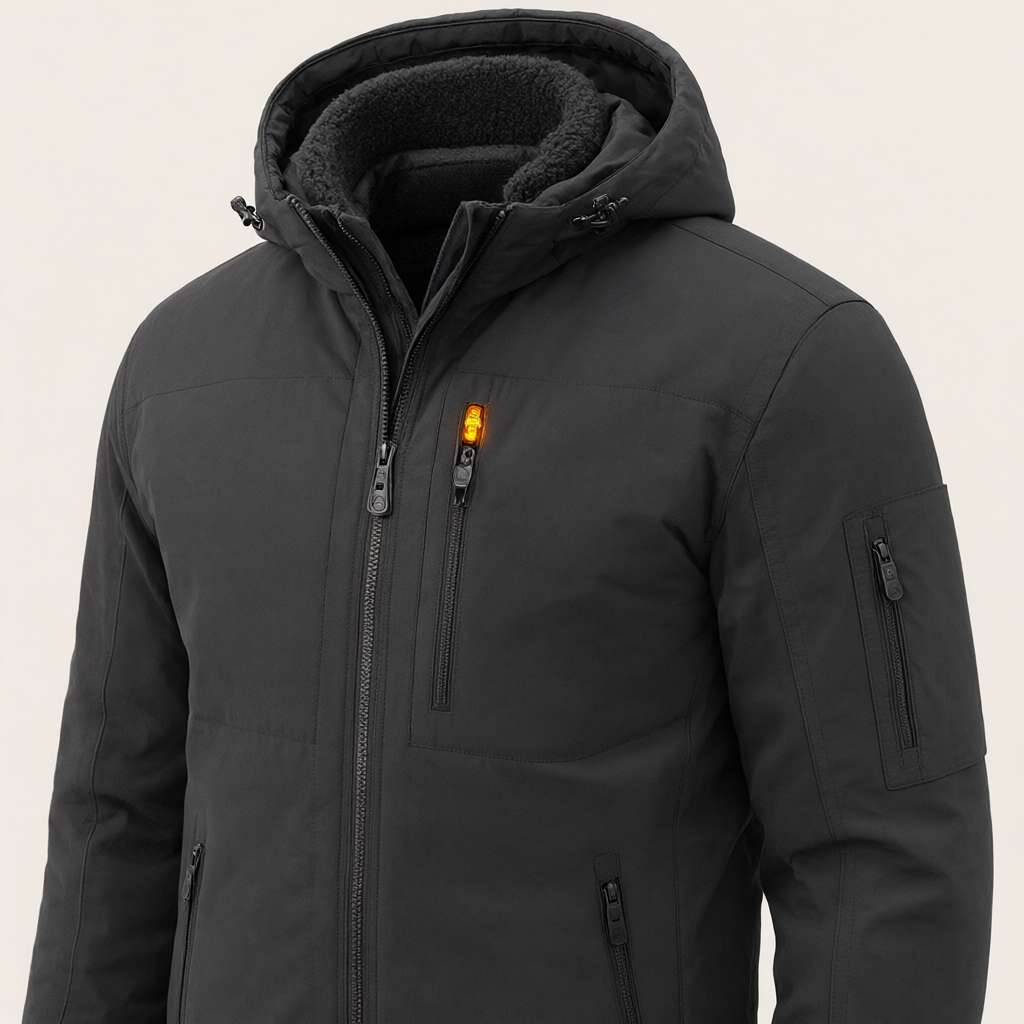
Ororo is the category leader for a reason. The Men’s Classic pairs 4 heating zones with one of the longest claimed runtimes in the class, a 3-year warranty on the heating elements, and a price that routinely lands in the $140 to $160 range at major retailers.
The carbon fiber elements sit in the hand pockets, mid-back, and collar, and the FELLEX insulation means the jacket still insulates when the battery dies. It is machine washable (cold, line dry), and the battery doubles as a phone charger over USB. The main tradeoff is the shell: water-resistant against wind and light moisture, not fully waterproof.
Pros: 4 zones, 10-hour claimed low runtime, 3-year element warranty, and strong value.
Cons: Not fully waterproof, single-button controller instead of per-zone control.
Price: around $140 to $160 at Walmart. Check price
Who should skip it: tool-brand loyalists who already own M12 or 20V MAX batteries will get more runtime per dollar from Milwaukee or DeWalt.
2. Venture Heat MAX 26W Heated Down Jacket: Best Premium
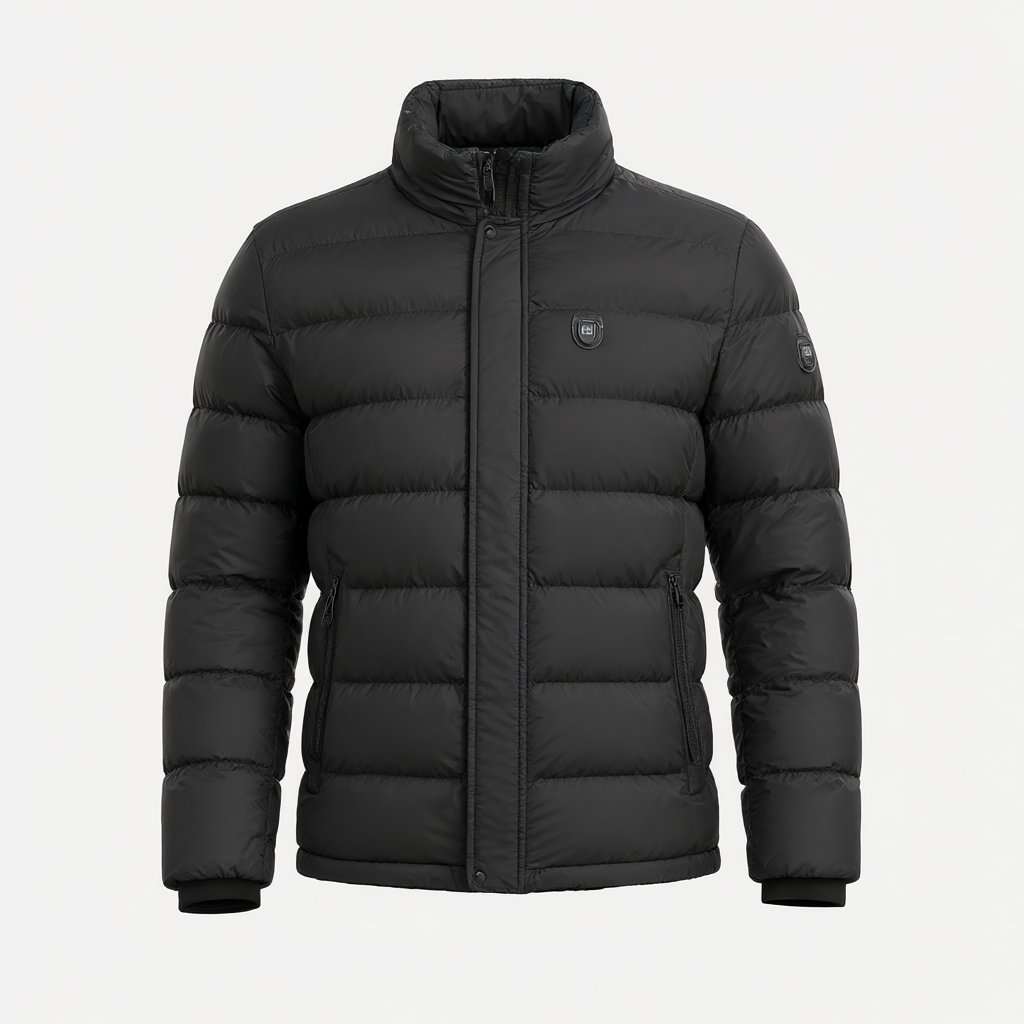
Venture Heat plays at the top of the market. The MAX 26W down jackets run on a 12V system with HeatSync Bluetooth app control, so you can dial in heat from your phone instead of cycling a button through your layers.
Three zones (chest, back, collar) use carbon fiber heating under premium down fill, and the outer shell is wind- and water-resistant. The 12V battery is not rated in mAh on the product page, which is a transparency gap at this price. Machine washability for the street jackets is also not stated, so confirm before tossing one in the wash.
Pros: 12V heat with app control, premium down fill, and strong claimed runtime.
Cons: Expensive, battery capacity not published, and wash instructions unclear.
Price: $249.99 (MSRP $349.99). Check price
3. Milwaukee M12 Toughshell Heated Jacket: Best for Work
If you work outside, you probably already own M12 batteries, which makes the Toughshell the obvious pick. The current generation uses HEXON heat technology with Quick-Heat for faster warm-up, and it is washer and dryer safe, a rarity in this category.
The Toughshell is a genuine work jacket first: DWR finish, FreeFlex mobility gussets, drop-tail back, and five zip pockets. The battery pocket has a pass-thru so you can wear the pack front or back. Buying the garment only and using batteries you own is the value play; the full kit price was not published at the retailers we checked.
Pros: Uses batteries you may already own, washer and dryer safe, and true workwear build.
Cons: Kit pricing unclear, heavier than DTC fashion jackets, and 1-year warranty is short for the price.
Price: $235 garment only. Check price
4. DeWalt 20V MAX Soft-Shell Heated Jacket (DCHJ060): Best for DeWalt Owners
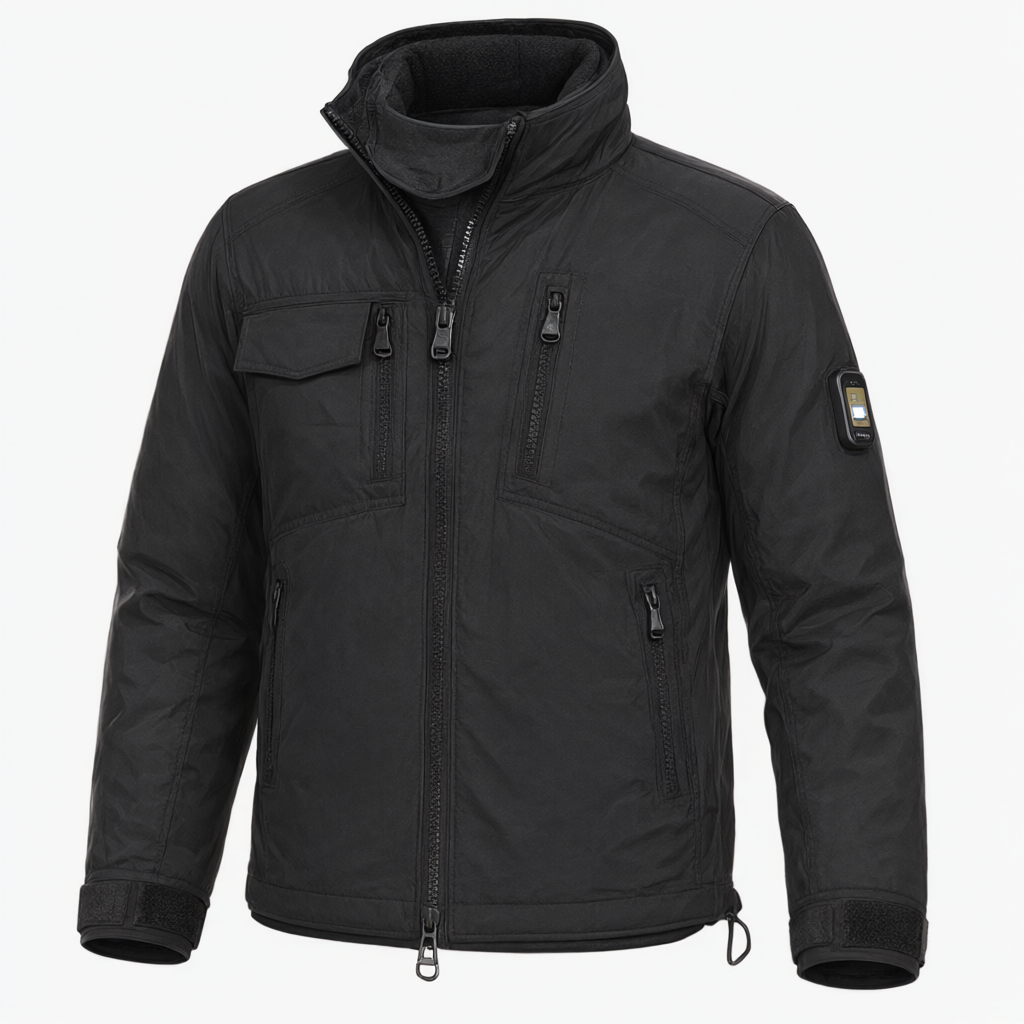
DeWalt’s 20V MAX platform brings the most heating zones in this roundup: four, including the collar. The USB power source accepts both 20V MAX and 12V MAX batteries and has two USB ports plus a fuel gauge, so it doubles as a jobsite power bank.
One honest flag: DeWalt’s product page contradicts itself on runtime, listing 5.5 hours in one place and 7 hours in another for the same 1.5Ah battery on low. Treat both as best-case marketing until independent tests land. The soft shell is water- and wind-resistant, and sizes run S to 3XL.
Pros: 4 heat zones, cross-compatible 20V/12V batteries, and phone-charging USB ports.
Cons: Self-contradicting runtime claims, and price not published on the official page.
Price: check current retailer pricing. Check price
Who should skip it: if you do not own DeWalt batteries, the Ororo or Gobi Heat gives you more jacket per dollar.
5. Gobi Heat Sahara 3-Zone Heated Jacket: Best Softshell Value
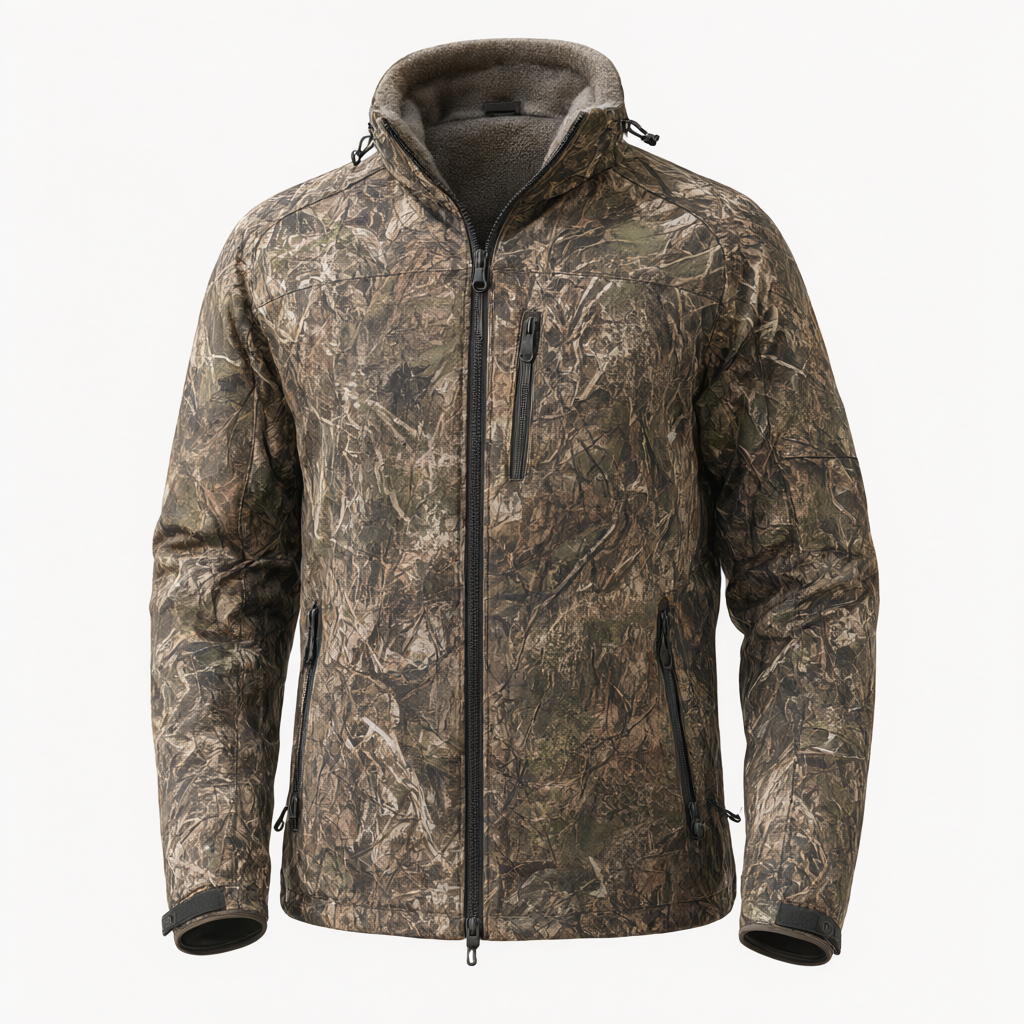
Gobi Heat’s Sahara is the softshell to beat under $200. Conductive thread heating elements, a one-touch LED controller with real temperature readouts (122F low, 131F medium, 140F high), and a polar fleece lining make it a complete cold-weather package.
The battery doubles as a phone power bank, and the jacket is machine washable on gentle (tumble dry safe, per the retailer). The shell is wind-, water-, and abrasion-resistant softshell with YKK zippers. Men’s and women’s versions exist, including Mossy Oak camo editions that hunters should look at.
Pros: Temperature readouts per setting, 10-hour claimed low runtime, camo options, and 1-year manufacturer warranty.
Cons: Only 3 zones. Official gobiheat.com specs were not available, so we cite retailer data.
Price: $199 (was $219). Check price
6. iHood Men’s Heated Jacket: Hottest Heat Output
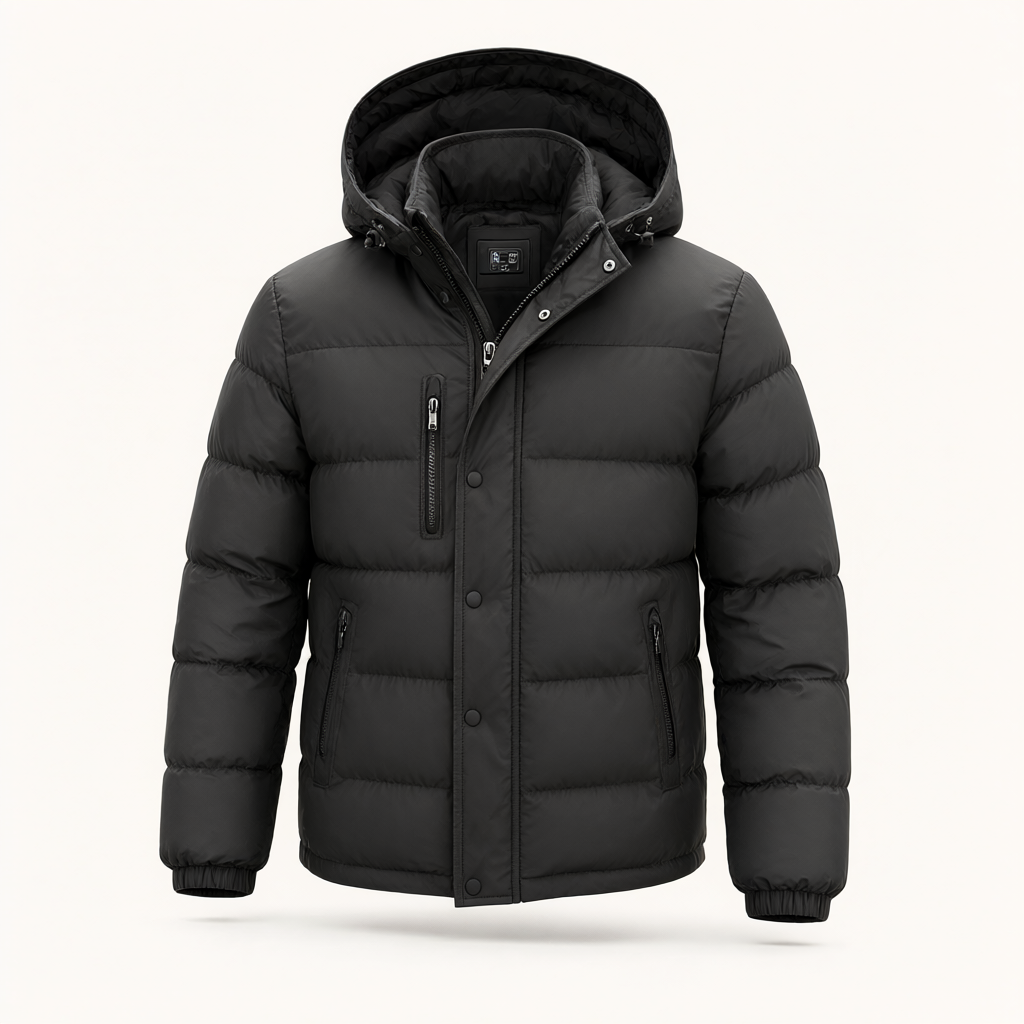
iHood takes a different engineering path: a 12V QC3.0 battery instead of the usual 7.4V, driving 6 heating elements across 3 independently controlled areas with a preheat mode that hits 158F. If raw heat output is the priority, nothing else at this price comes close.
The tradeoff for that heat is runtime: 3.5 hours on high is the shortest high-setting figure in this roundup. The LED partition controller lets you run zones independently, which stretches battery, and the shell carries a 2000mm waterproof coating with taped main seams. Warranty is 18 months on the battery and 2 years on the heating elements.
Pros: Highest max temperature here, per-zone control, waterproof coating, and strong warranty.
Cons: Short high-setting runtime, and 9.24 oz battery adds weight.
Price: roughly $70-$100 on Amazon (was $189.99). Check price
7. ActionHeat 5V Softshell Heated Jacket: Best Everyday Jacket
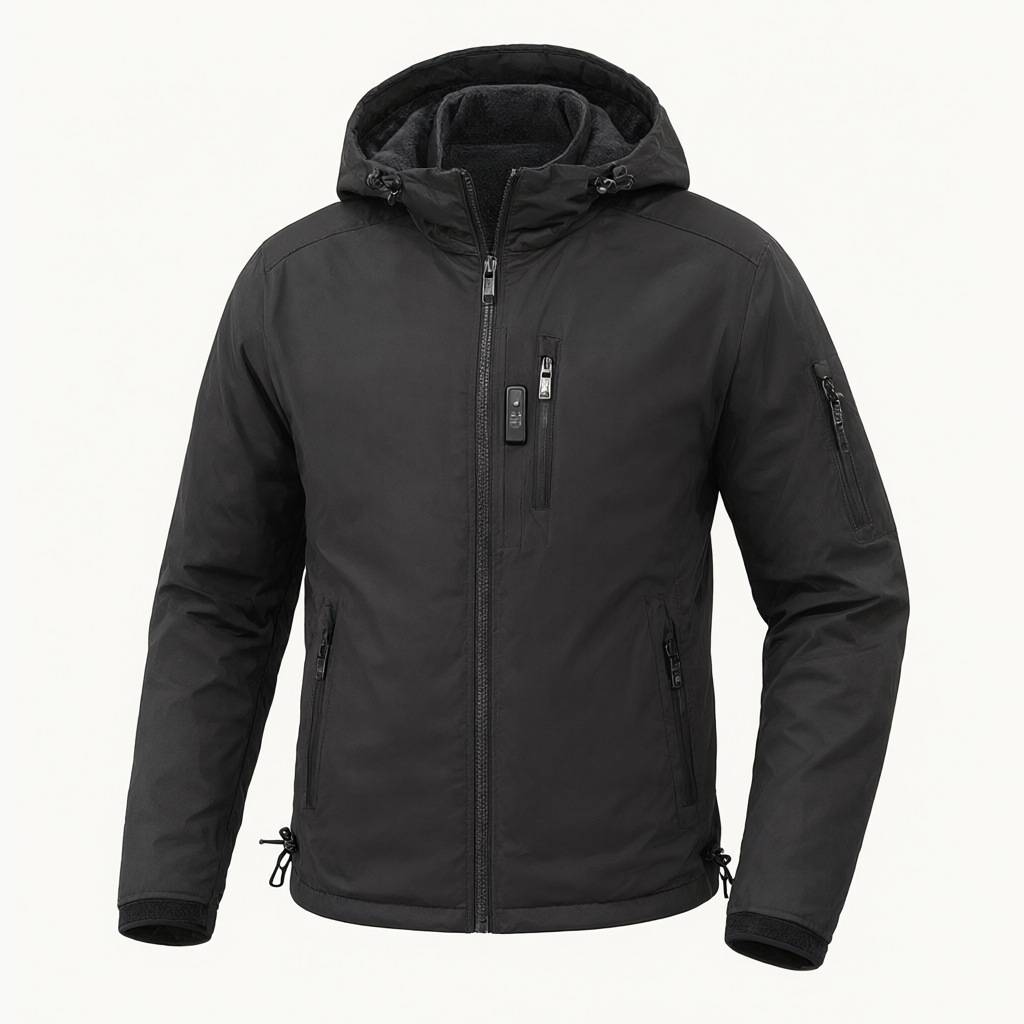
ActionHeat’s 5V system is the gentlest in this roundup, which makes it the best everyday option: lighter power banks, simpler charging, and tri-zone FAR infrared heat that is plenty for commuting, spectating, and walking the dog.
The power bank charges your phone, and extra batteries are sold separately from 3000mAh to 15000mAh if you want to extend a long day. Full men’s and women’s lines exist, plus youth sizes and even NFL team-branded jackets. The 5V ceiling means it will not match the 12V jackets for deep-cold heat, so size your expectations to the use case.
Pros: Lightweight 5V system, phone charging, and huge lineup including women’s and youth.
Cons: Less max heat than 12V rivals, and shorter claimed runtimes.
Price: $199.99. Check price
8. TideWe Heated Jacket: Best Budget Pick
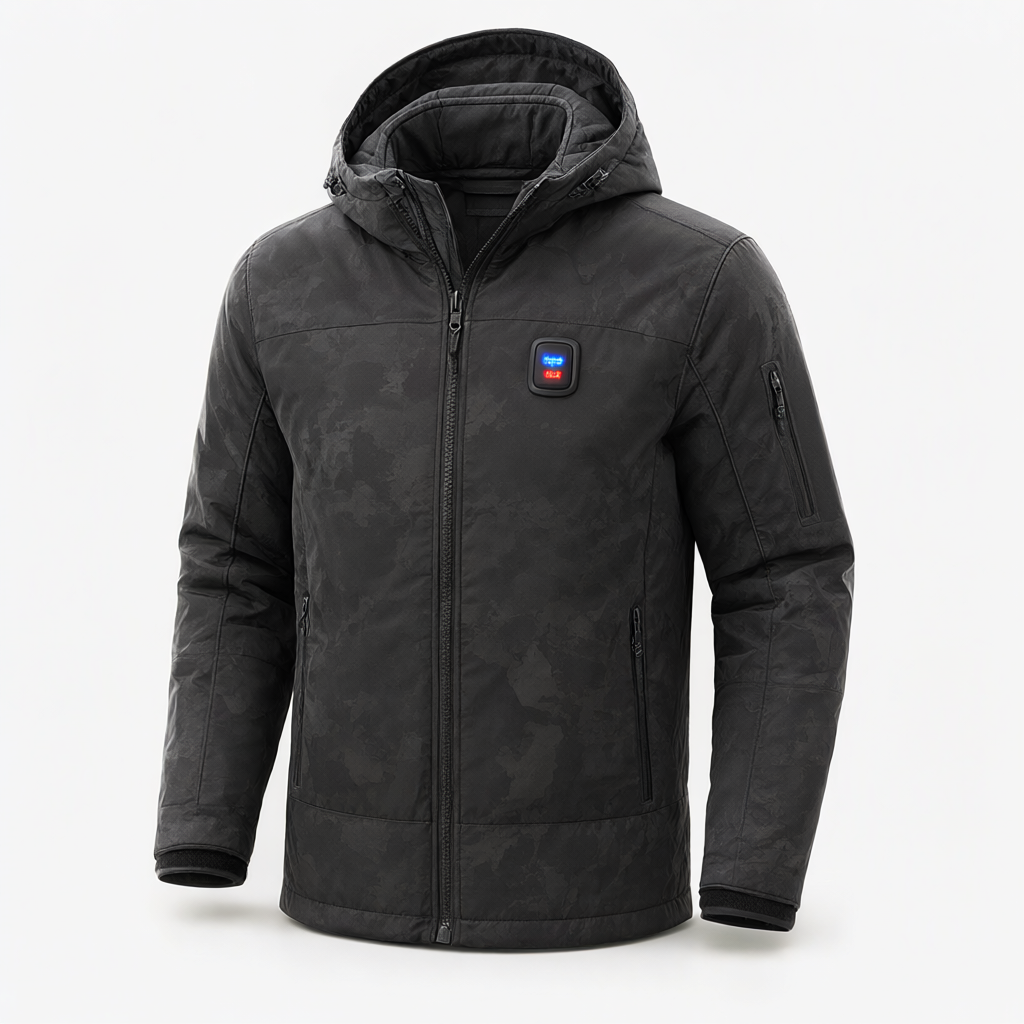
TideWe is the value play: a 5V system with the longest claimed low-setting runtime in this roundup at 10 hours, backed by a 10000mAh power bank that doubles as a phone charger. It is a favorite among hunters and anglers who need all-day warmth without the premium price.
Three heat settings run through a simple button controller (blue low, white medium, red high), and the heating elements are rated for 50+ washes. The shell is water- and wind-resistant polyester with YKK zippers and a detachable hood, and an over-heating auto shut-off adds a safety net. Pricing moves around on Amazon, so check the live listing; it consistently sits in budget territory.
Pros: 10-hour claimed low runtime, phone-charging battery, 50+ wash rating, and budget priced.
Cons: 5V max heat is modest, and warranty terms not stated on the listing.
Price: budget tier on Amazon. Check price
For more picks at this price, see Best Heated Jackets Under $150.
9. Bosch GHJ12V-20 Heated Jacket: Best for Bosch Owners
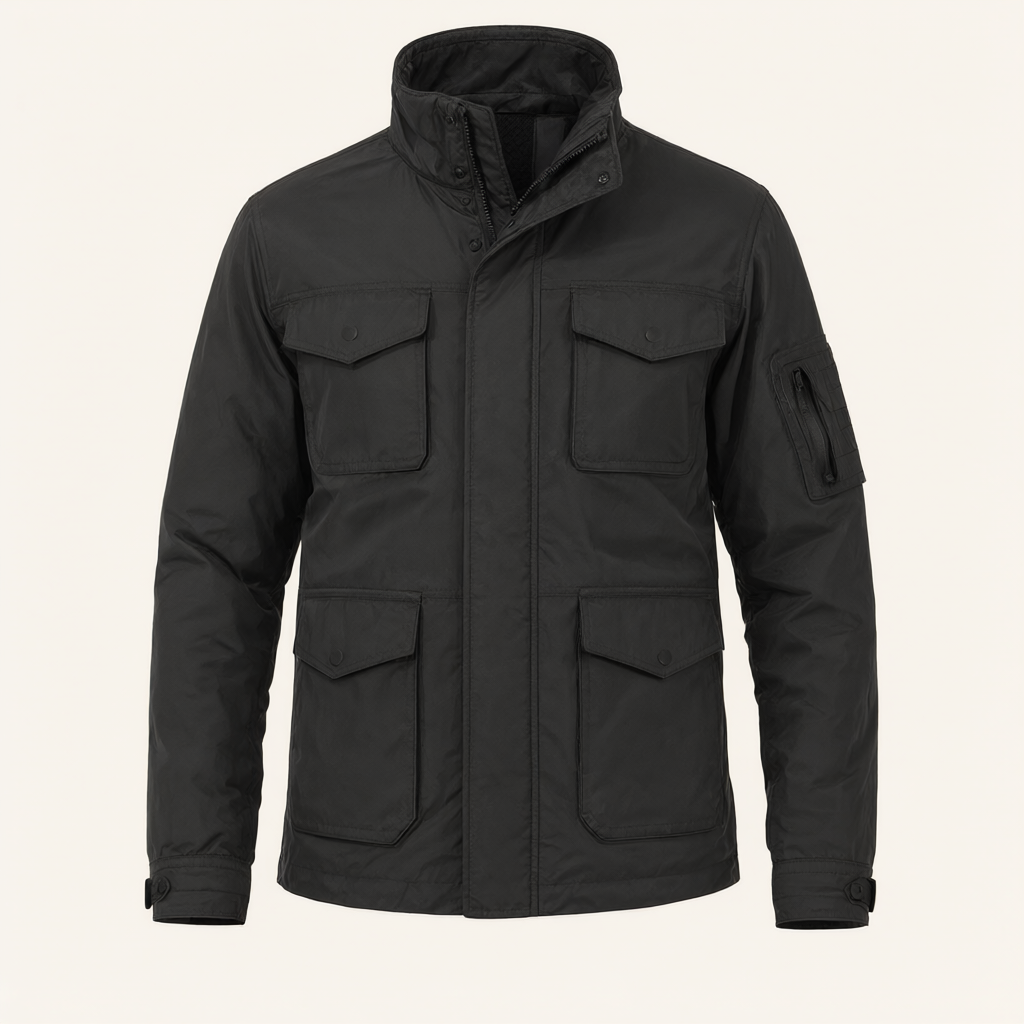
Bosch’s 12V Max heated jacket is the quiet professional of this list. Three zones (two chest, one lower back) run off the same 12V Max batteries as Bosch’s tools, and the kit ships complete with a 2.0Ah battery, charger, and portable power adapter.
The shell is wind- and water-resistant with six pockets including an interior document pocket, and it is washer and dryer safe. Two honest gaps: Bosch publishes no runtime figure for the current generation, and warranty terms were not stated at the retailers we checked. If you already own 12V Max batteries, the jacket-only math is compelling; otherwise the kit price is steep next to the DTC brands.
Pros: Complete kit in the box, washer and dryer safe, and 6 pockets.
Cons: No published runtime claim, warranty unclear, and pricey without owned batteries.
Price: $229 to $245 for the kit. Check price
10. Venture Heat MAX 22W Bomber: Best Value Under $150
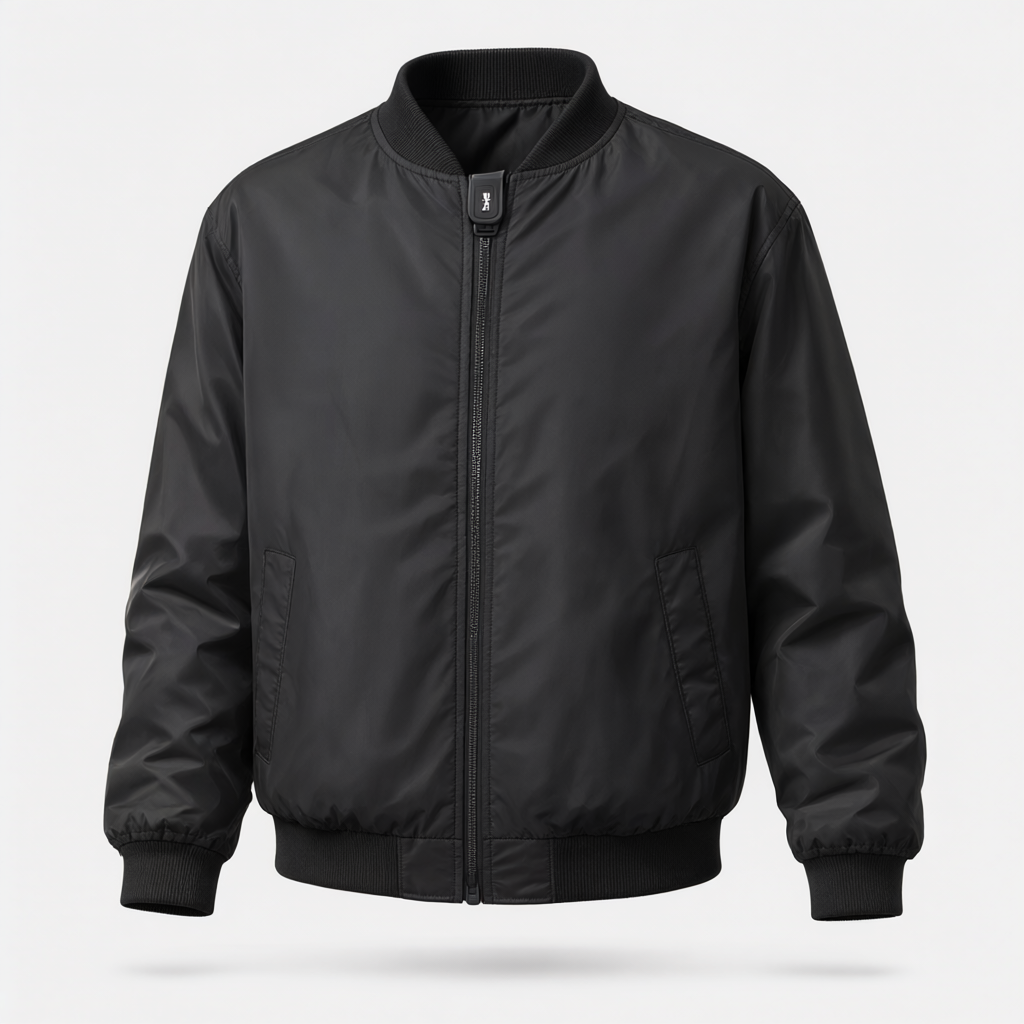
The second Venture Heat entry is the value sleeper of this list. The MAX 22W Bomber brings the same 12V platform and Bluetooth app control as its bigger sibling at a sale price that dips under $150.
Tri-zone heating (left chest, right chest, back) covers the essentials, and at this price it undercuts every other 12V jacket here. Stock at sale pricing can be limited, so check availability. If it is sold out in your size, the best heated jackets under $150 guide has the full budget bench.
Pros: 12V heat under $150, Bluetooth control, and bomber style works off the slopes.
Cons: Sale pricing may not last, and fewer zones than the down jacket.
Price: $129.99 on sale. Check price
What to Look for When Buying a Heated Jacket
Voltage matters more than marketing. 5V systems (TideWe, ActionHeat) are light and simple but top out at modest heat. 7.4V (Ororo, Gobi Heat) is the mainstream balance. 12V systems (iHood, Venture Heat, Milwaukee, Bosch) heat faster and hotter. 20V MAX (DeWalt) is really about battery compatibility: the jacket steps that power down, so buy it for the ecosystem, not because 20 is bigger than 12.
Count the zones, then check where they are. Three zones is the standard (chest and back). Four or more, or independently controlled areas like iHood’s, gives you real flexibility. A collar zone is a genuine comfort upgrade on windy days.
Read runtime claims skeptically. Every figure above is the manufacturer’s best case, usually measured on low with a fresh battery in mild conditions. Cold weather drains lithium batteries faster, so plan on 60 to 70 percent of the claimed low-setting number for real winter use. Our full breakdown lives in the heated jacket battery guide.
Fit is different from normal jackets. Heated shells run trim to keep elements against your body, and you will want room for a mid-layer. Check the size chart against a jacket you own, not your t-shirt size. See our heated jacket sizing guide.
Washability is a feature. Heating elements survive washing only if the manufacturer says so. Washer-and-dryer-safe (Milwaukee, Bosch) beats line-dry-only (Ororo) for long-term ownership.
FAQ
How long do heated jacket batteries last?
Manufacturer claims range from 2 hours on high to 12 hours on low depending on voltage and battery size. Real-world use in freezing temperatures lands lower; carry a spare battery for full days outside. See our battery buying guide for spare and upgrade options.
Are heated jackets machine washable?
Most are, with the battery removed, but the details vary: Milwaukee and Bosch jackets are washer and dryer safe, Ororo requires machine wash cold and line dry only, and Gobi Heat specifies gentle cycle. Always check the label for your specific model.
What is the best voltage for a heated jacket?
There is no single best. 5V is light and fine for mild cold, 7.4V is the mainstream sweet spot, and 12V heats fastest for deep cold. Tool-brand voltages (M12, 20V MAX, 12V Max) are worth it mainly if you already own those batteries.
Can you wear a heated jacket in the rain?
Water-resistant shells (Ororo, Gobi Heat, DeWalt, Bosch) handle light rain, and iHood’s 2000mm coating goes further. No heated jacket in this roundup is fully waterproof, so treat them like any softshell in a downpour and keep the battery connection dry.
Do heated jackets work without the battery?
Yes, as regular insulated jackets. The heating elements just stay off. Models with real insulation (Ororo’s FELLEX, Venture Heat’s down, Gobi Heat’s fleece lining) are the warmest with a dead battery.
Are heated jackets safe?
Yes for normal use. They run on low-voltage DC power with overheat protection. TideWe, for example, includes an auto shut-off. Do not puncture the battery, do not use a damaged battery, and follow the washing instructions. Our full safety guide covers the details.
Final Verdict
The Ororo Men’s Classic is the best heated jacket for most people: 4 zones, a 10-hour claimed runtime, a 3-year element warranty, and a $140 to $160 street price. Buyers who want maximum heat should look at the iHood 12V or the Venture Heat MAX 26W, tradespeople should buy into their existing battery platform with the Milwaukee M12 Toughshell or DeWalt 20V MAX, and budget shoppers get honest warmth from the TideWe or the Venture Heat Bomber on sale.
Prices move fast in heated apparel season. For live discounts, check our Black Friday deals tracker, updated weekly from November through December.
Sources
- Ororo Men’s Classic Heated Jacket: https://www.ororowear.com/products/mens-classic-heated-jacket-4-heating-zones
- Ororo warranty: https://www.ororowear.com/pages/warranty
- Venture Heat MAX 26W (men’s): https://www.ventureheat.com/en-ca/collections/welcome-offer-all-but-dive-outlet/products/mens-12v-bt8710
- Venture Heat MAX 26W (women’s): https://www.ventureheat.com/collections/welcome-offer-all-but-dive-outlet/products/womens-12v-bt8710w
- Milwaukee M12 Toughshell: https://www.borderstates.com/All-Products/Safety-Security/Personal-Protective-Equipment-%28PPE%29/Body-Protective-Clothing-Accessories/Coats-Jackets/Heated-Outerwear/Milwaukee-M12%E2%84%A2-TOUGHSHELL%E2%84%A2-Heated-Jackets/Milwaukee-M12%E2%84%A2-TOUGHSHELL%E2%84%A2-Heated-Jackets-3XL-Black/p/3611948
- DeWalt DCHJ060: https://www.dewalt.com/en-us/product/dchj060b/dewalt-20v-max-lithium-ion-soft-shell-heated-jacket
- Gobi Heat Sahara (men’s): https://www.mycoolingstore.com/products/gobi-heat-sahara-3-zone-heated-jacket-for-men
- Gobi Heat Sahara (women’s): https://cozywinters.com/shop/gobi-heat-sahara-womens-heated-jacket-mo.html
- iHood men’s heated jacket: https://www.ihoodwarm.com/collections/ihood-mens-heated-jacket/products/mens-ihood-heated-hooded-jacket
- ActionHeat 5V softshell: https://actionheat.com/collections/all
- TideWe heated jacket: https://www.amazon.com/dp/B0C1411BBV
- Bosch GHJ12V-20 kit: https://www.toolmarts.com/bosch-ghj12v-20sn12-12v-max-heated-jacket-kit-with-portable-power-adapter-size-small