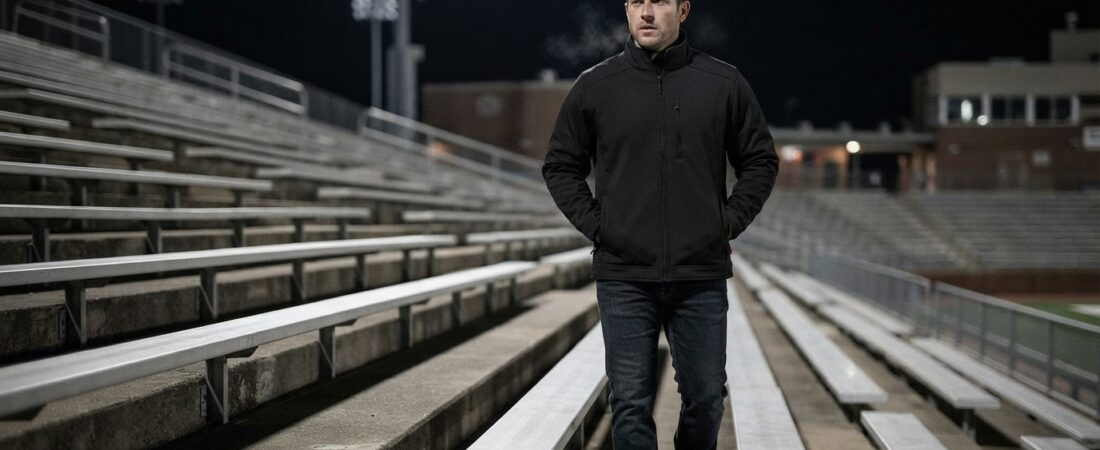
The Best Heated Jackets for Football Games: Stadium Survival Guide
For stadium duty, buy the jacket with the longest low-setting runtime and the roomiest fit for layering, and the Ororo Classic Heated Jacket is the easy default. Bring a spare battery, because no heated jacket on the market runs high heat for an entire double-overtime game.
Heated Jacket Guide is reader-supported. As an Amazon Associate we earn from qualifying purchases. When you buy through affiliate links on this page, we may earn a commission at no extra cost to you.
Affiliate disclosure: Heated Jacket Guide is an Amazon Associate and earns from qualifying purchases. This is a research-based buying guide. We did not personally test the jackets below. Notes were drawn from published manufacturer specs and category knowledge on September 27, 2026. Prices move with the season, so check the current price before you buy.
Fourth quarter, your team is down by three, and you have been sitting on an aluminum bleacher for three hours while the wind finds every gap in your coat. This is the exact scenario heated jackets were made for. Sitting still in a stadium is the coldest way to watch football: no movement, no shelter, metal seats sucking the heat straight out of you. A heated jacket turns those December games from an endurance test into the best seat in the house. Here is how to pick the right one and how to run it so the heat lasts to the final whistle.
What Stadium Duty Demands
A football game is a specific cold-weather problem, and it rewards specific features.
- Runtime over raw heat. You need steady warmth for three to four hours, not a blast furnace for one. Prioritize strong low and medium setting efficiency over maximum temperature claims.
- A spare battery plan. No heated jacket runs high heat for an entire game plus tailgate. A second battery in an inside pocket is the difference between warm at kickoff and warm at the final whistle.
- Roomy fit for layering. The jacket goes over your jersey, hoodie, or sweater. Size for the bulkiest thing you will wear under it. Our [heated jacket sizing guide](heated-jacket-sizing-guide) covers the layering math.
- Wind resistance. Stadium wind is the real enemy. A wind-resistant shell multiplies what the heating elements can do, because heat you keep is heat you do not have to regenerate.
- Quiet operation. There is no fan or noise to worry about with heated jackets, but avoid crinkly shells if you care about comfort in a quiet stadium moment.
- Team colors, if you care. Several brands offer their heated jackets in neutral colors that layer under or over team gear without clashing.
The Game-Day Heat Strategy
Buying the right jacket is half the battle. Running it right is the other half.
- Pre-heat before kickoff. Turn the jacket to high in the parking lot or on the walk in. Starting warm means the elements maintain rather than chase, which saves battery.
- Drop to low or medium once you are warm. High is for warm-up. Low and medium are for the long sit. Most of the game should be spent on the lower settings.
- Bring the spare battery inside your coat. A cold spare delivers less. Keep it in an interior pocket against your body so it is warm and ready at halftime.
- Halftime is battery time. If you are running one battery, halftime is the moment to check the charge indicator and swap if needed. Do not wait until you are cold.
- Sit on insulation. A stadium seat cushion or even a folded towel breaks the conductive heat loss into the metal bleacher, which is where a huge share of your warmth goes. Heated jacket on top, insulation underneath.
- Protect the extremities. The jacket covers your core. Add heated gloves, a warm hat, and insulated footwear. A warm core with freezing hands still feels miserable.
Bag Policy and Battery Rules
A quick word on getting the gear into the stadium. Most venues follow clear-bag policies, and batteries ride in your pockets, not in a bag, which keeps things simple.
- Wear the jacket through the gate. It is clothing, not a bag.
- Keep spare batteries in your jacket pockets, not in a clear bag where they can get cold or draw questions.
- Lithium batteries fly in carry-on luggage only, never checked, if you are traveling to an away game. That is an airline rule, not a stadium rule, but it matters for the trip.
- Charge everything the night before. Stadium concourses are not charging stations.
Quick Picks
- Best overall for game day: [Ororo Classic Heated Jacket](https://www.amazon.com/dp/B01G8TPRHC?tag=heatedjacketg-20), simple controls, easy spare batteries, relaxed fit over a jersey.
- Best for layering under team gear: [Venustas Heated Jacket](https://www.amazon.com/dp/B08F4YYKKR?tag=heatedjacketg-20), trimmer profile that slides under a shell.
- Best for tailgate-to-final-whistle endurance: [Milwaukee M12 Heated Jacket](https://www.amazon.com/dp/B09HR516CQ?tag=heatedjacketg-20), for fans who already own M12 batteries and want swappable power all day.
Our Picks
Ororo Classic Heated Jacket
The default game-day pick. The Ororo Classic’s 7.4V system is light enough to forget about, the single-button controller is operable with gloves on, and spare batteries are easy to find, which is the whole game-day strategy in one purchase. The relaxed fit goes over a hoodie and jersey without binding when you stand to cheer.

- Pros: simple glove-friendly controls, light battery, relaxed fit for layering, spare batteries widely available.
- Cons: proprietary battery system, spares are a separate purchase, softshell-style shell benefits from a wind layer on the worst days.
- Specs: 7.4V battery platform, three heat settings, core heating zones across chest and back, machine washable with battery removed.
The tailgate-to-touchdown workhorse. Why it made the cut: it nails the three things stadium duty needs, simple controls, light weight, and an easy spare-battery plan. Best for: most fans, most stadiums. Not ideal for: anyone who wants a heavy insulated shell as well as heat.
Check Price on AmazonVenustas Heated Jacket
For fans who wear their team shell over everything, the Venustas is the layering pick. Its trimmer profile slides under a stadium jacket or heavy coat without bunching, putting the heat right against your mid-layer where it counts.
- Pros: trim fit layers cleanly under outer shells, lightweight, simple controls.
- Cons: trimmer cut demands careful sizing, size up for jersey layering, narrower spare-battery ecosystem than the biggest brands.
- Specs: 7.4V battery platform, three heat settings, core heating zones, machine washable with battery removed.
The under-layer specialist. Why it made the cut: it is the best heated option for fans who will always wear a team shell on top. Best for: layered stadium outfits. Not ideal for: anyone who wants the jacket itself to be the outer shell.
Check Price on AmazonMilwaukee M12 Heated Jacket
The endurance pick for the tool-owning fan. If you already own M12 batteries, you can roll into the stadium with two or three packs and run heat from tailgate through overtime without a thought. The workwear build also shrugs off bleacher abuse and spilled drinks.
- Pros: swappable M12 batteries mean effectively unlimited runtime, rugged build, doubles as a work jacket all week.
- Cons: heavier battery than slim 7.4V packs, costly if buying into the battery platform from scratch.
- Specs: M12 battery platform, multi-setting controller, heated zones across chest, back, and pockets.
The all-day heat machine. Why it made the cut: no other system lets you bring three batteries to a game. Best for: M12 tool owners and cold-weather diehards. Not ideal for: casual fans who do not want the weight or the buy-in cost.
Check Price on AmazonJacket vs Vest for the Stadium
Worth a quick aside: a heated vest is a legitimate alternative for game day, especially if you run hot in the arms or want maximum layering flexibility. A vest keeps your core warm under any shell and weighs less. The tradeoff is cold arms and no sleeve wind protection. Our full heated jacket vs heated vest breakdown covers the decision, and our best heated vests roundup ranks the vest field.
Frequently Asked Questions
How long will a heated jacket last during a football game?
On low or medium, a healthy battery typically covers most of a game. On high, expect much less. The practical answer is one battery plus one spare, with halftime as the swap point.
Can I bring a heated jacket into an NFL or college stadium?
Yes. It is clothing, and heated jackets pass through security like any other coat. Keep spare batteries in your pockets.
Should I wear the heated jacket as my outer layer?
Either works. As the outer layer, pick a wind-resistant shell. Under a team shell, pick a trim heated jacket or vest so the layers sit cleanly.
Will the battery die faster in freezing weather?
Yes. Cold reduces lithium battery output, which is why you keep the spare warm in an inside pocket and pre-heat on high before settling to low.
What is better for games, a heated jacket or a heated blanket?
The jacket wins for mobility: concourse trips, standing ovations, and the walk to the car. A blanket is fine for a seat you never leave, but most fans move around.
Final Verdict
For stadium duty, buy the jacket with the longest low-setting runtime and the roomiest fit for layering, and the Ororo Classic Heated Jacket is the easy default. Bring a spare battery, because no heated jacket on the market runs high heat for an entire double-overtime game. Pre-heat on the walk in, settle to low for the long sit, swap at halftime, and sit on insulation. Do that and the fourth quarter feels like the first. For the wider field, see our best heated jackets of 2026 and how to choose a heated jacket, and check our heated jacket battery buying guide before stocking up on spares.
Related Guides
- [Best heated jackets of 2026](best-heated-jackets-2026)
- [Heated jacket vs heated vest](heated-jacket-vs-heated-vest)
- [Heated jacket sizing guide](heated-jacket-sizing-guide)
- [Best heated vests](best-heated-vests)